Gardening field note · August 31, 2026
The tomato bed after its loudest month
Marlowe clears only what is finished, leaves the useful roots alone, and gives basil, soil, and the last tomatoes room for September.

By the end of August, the raised tomato bed has stopped looking arranged. Vines cross the path, basil has flowered in three directions, and the good fruit is hidden behind leaves that did their work weeks ago. Marlowe starts with a basket for the kitchen and a second one for the compost, because deciding what still has a use is the whole job.
The first pass is pruning, not demolition. Brown leaves and split stems come away at a clean junction, while green leaders carrying sound fruit stay tied to their supports. A bypass pruner gives live stems a clean cut; the point is to open light and air around the last tomatoes without asking a tired plant for another flush of growth.
At soil level, the pace slows. A hori hori loosens the roots of finished basil and opens narrow planting pockets without turning the whole bed. The curved weeder follows through the top layer, lifting shallow weeds and breaking the dry crust between established roots. Compost goes back only where the soil is visible, then a deep watering settles the disturbance.
The useful result is not a bed made to look new. It is a bed that can finish honestly: fewer damaged stems, clearer fruit, herbs cut for the kitchen, and enough open soil to see what September rain is doing. The tomatoes and basil on the counter are the receipt for the round outside.
Linked objects
The tools chosen for this round.
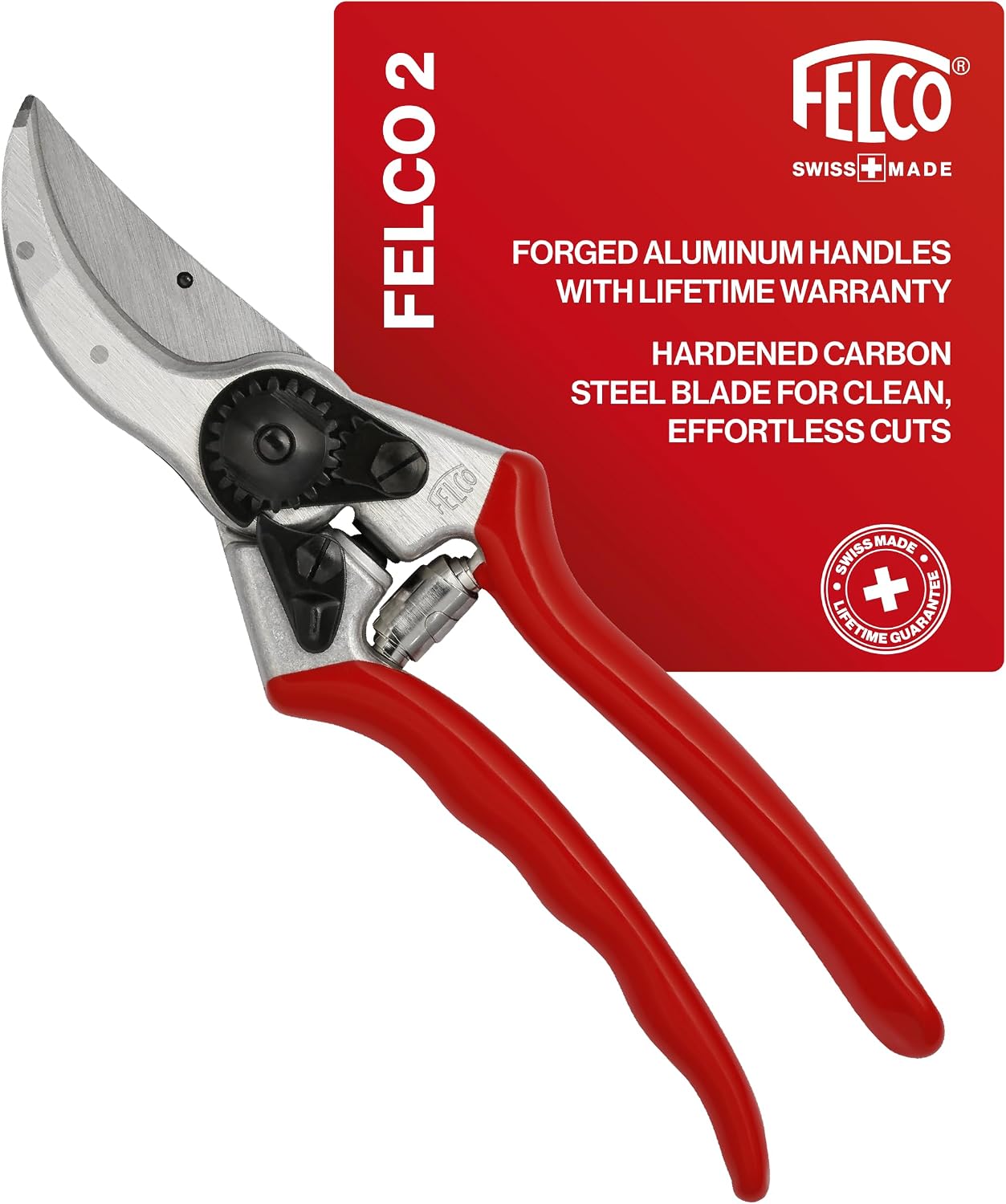
Felco F2 Classic Manual Bypass Pruner
The red handles and purposeful mechanics carry decades of garden character; every nick can belong to a season rather than signal disposability.
Worth knowing: The full-size grip is less friendly to small hands, and the premium only makes sense if the owner cleans, sharpens, and replaces parts.
See the exact item on Amazon
Nisaku NJP650 Hori Hori Weeding Knife
The engraved blade, serrated edge, and wood handle look at home in a potting bench still life and carry a clear working lineage.
Worth knowing: A sharp exposed blade demands a sheath and deliberate handling, and the wood grip benefits from being kept clean and dry.
See the exact item on Amazon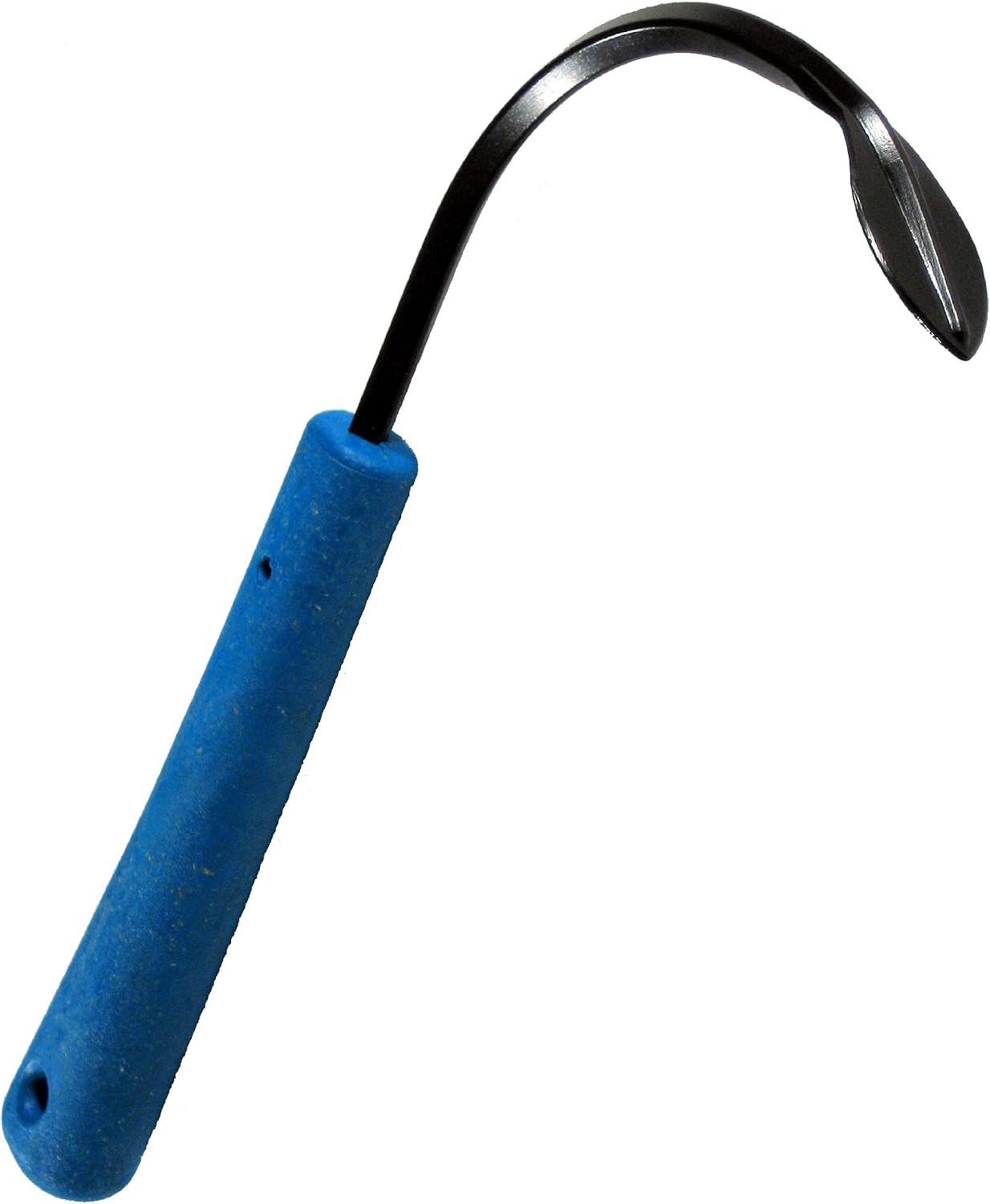
CobraHead Original Weeder & Cultivator
The steel-fingernail shape looks unusual, but it makes sense once it is working close to established plants.
Worth knowing: It still requires kneeling or bending, and the bright recycled-plastic handle is more practical than visually understated.
See the exact item on Amazon