This week's work ·
The enameled cocotte that made braising a weeknight habit
A five-and-a-half-quart matte-black Dutch oven for short ribs, beans, and the kind of braise that starts in the oven and finishes on the table.
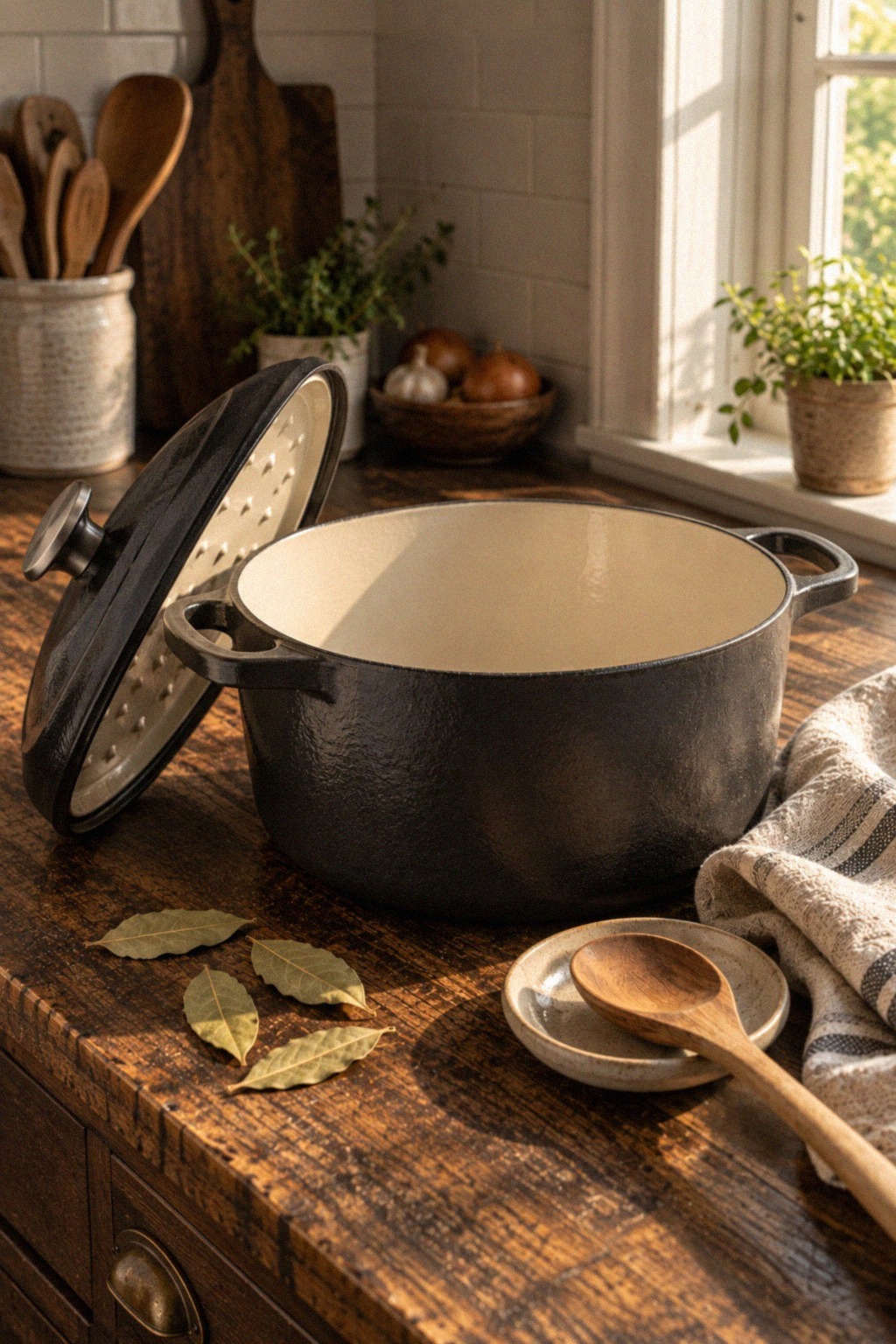
Who it’s for
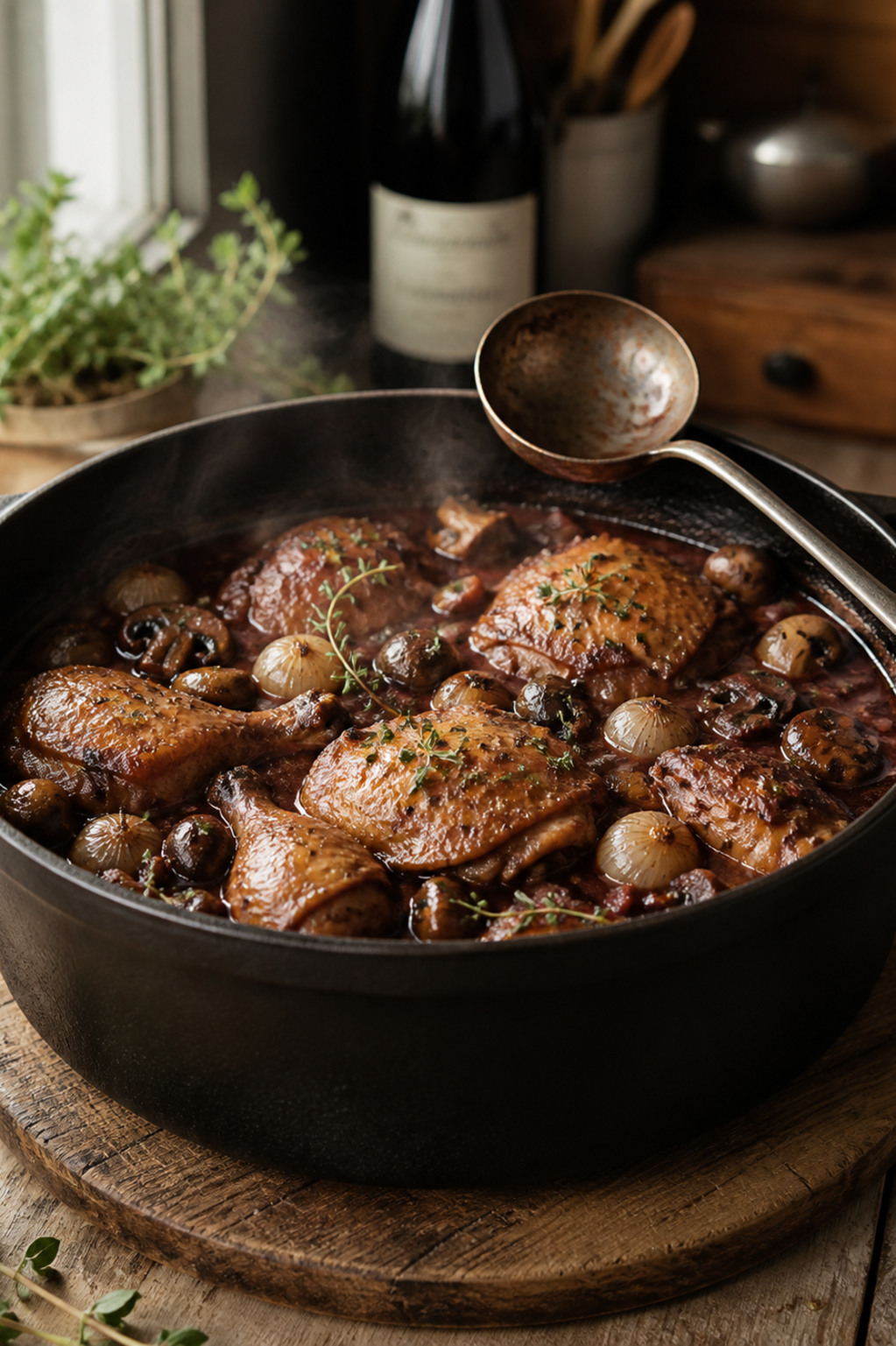
Braising is the patient version of cooking: a tough cut, a low oven, and enough time for collagen to turn into something silky. The pan that decides whether it works is a heavy one with a tight lid, and that has been an enameled cast-iron cocotte for most of a century.
Specifications
A five-and-a-half-quart French enameled cast-iron cocotte in matte black: the size and the material for browning on the stovetop and finishing a braise in the oven with the lid on.
Why we liked it
We love a pot that browns properly, holds wine and tomatoes without a second thought, and goes from the oven to the table with the lid still on it.
The tradeoffs
It is heavy, especially full, and the enamel chips on thermal shock or metal utensils. Hand wash, and skip it if a lighter pot matters more than even heat.
Where it works well
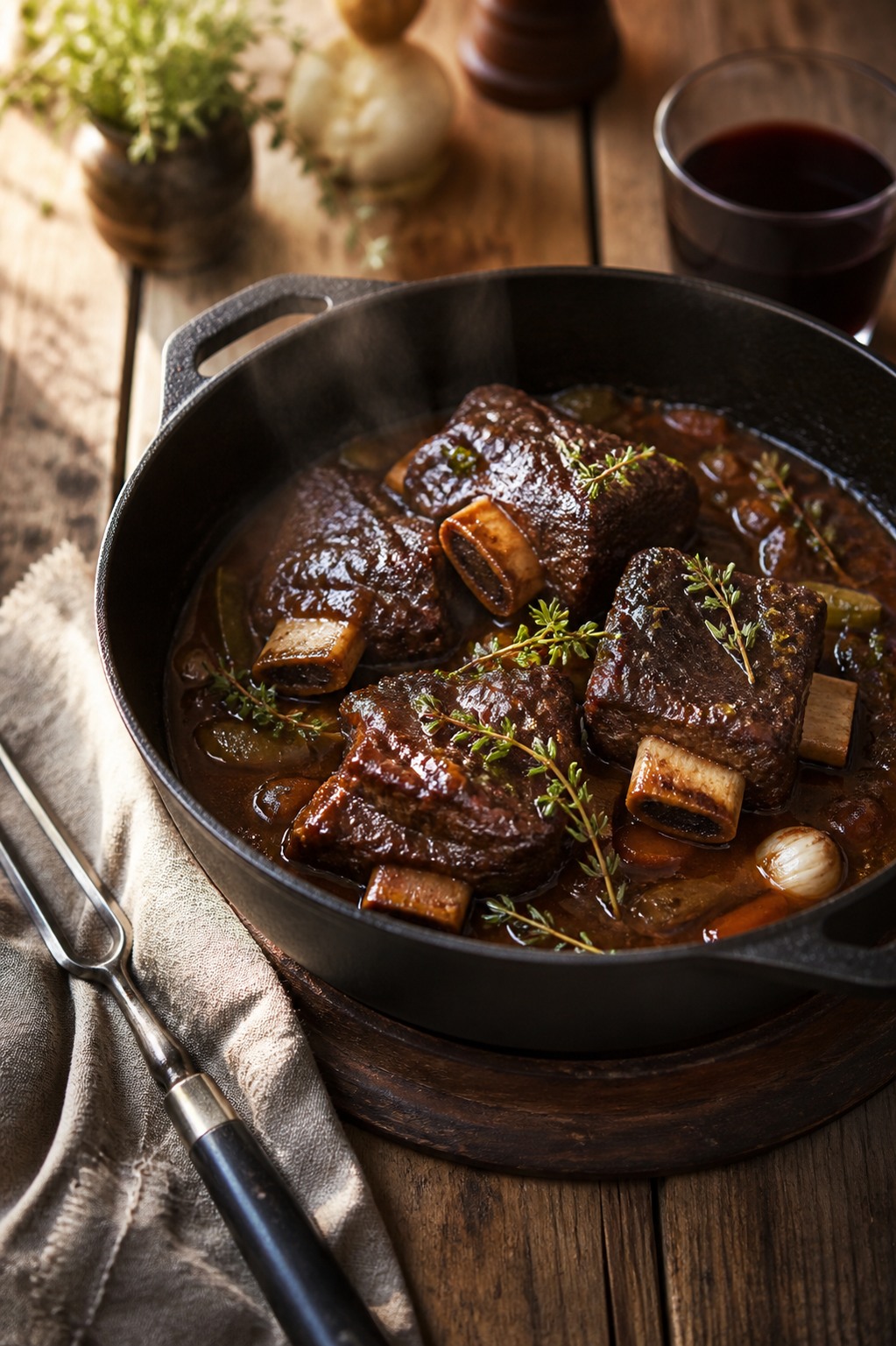
The five-and-a-half-quart STAUB in matte black is the size that fits both jobs. It is wide enough to brown short ribs in two batches without crowding, deep enough for a pot of beans or a chicken braise, and small enough to sit on a weeknight burner without taking the whole stovetop.
Alternatives
The enamel is what separates this from bare cast iron. It is a fired glass coating, so acidic braises - wine, tomatoes, vinegar - can sit in the pot for hours without eating into the seasoning. The matte-black interior also develops a usable patina without the deep browning that shows up on lighter enamel, and the cast-iron core underneath gives the even, stubborn heat the method needs.
Verdict
The honest tradeoffs are weight and handling. The pot is heavy before anything goes into it, heavier still when it is full of short ribs, and the enamel chips if it is dropped, shocked with cold water while hot, or scraped with a metal implement. It is not a nonstick pan and it does not want to be one.
Field note 5
Care is a short list rather than a ritual: let the pot cool before washing, use wood or silicone rather than metal, wash by hand with mild soap, and dry it fully before the lid goes back on. Enamel does not need seasoning, only patience.
Field note 6
What it changes is the shape of a weeknight. One pot goes from browning to the oven to the table without a transfer, the lid returns moisture while the braise runs, and the leftovers are better on the second day. That is a lot of cooking problems solved by one heavy pan.
03 · Linked objects
The things worth mentioning.
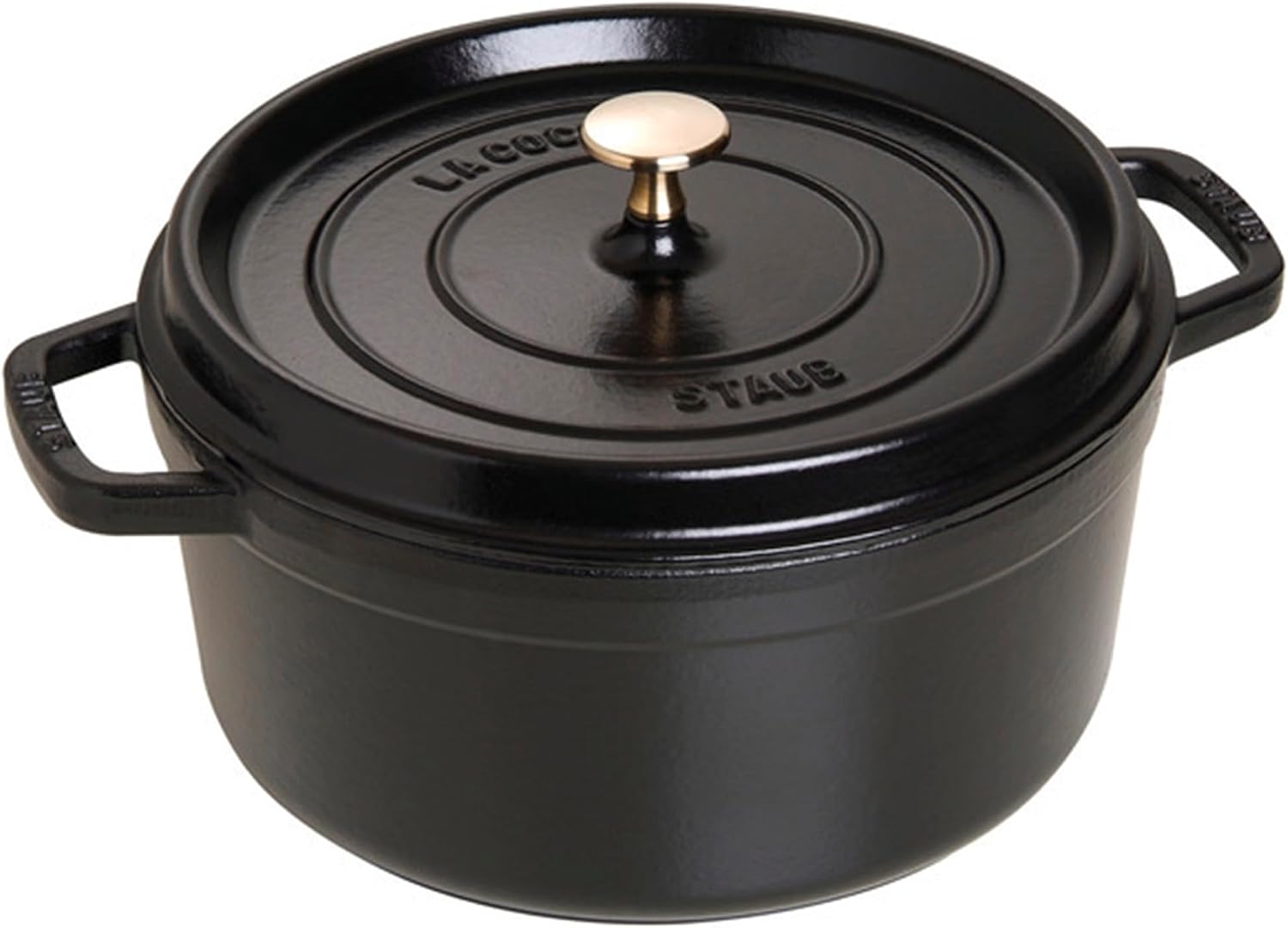
STAUB Cast Iron Dutch Oven 5.5-qt Round Cocotte, Black Matte
A five-and-a-half-quart French enameled cast-iron cocotte in matte black: the size and the material for browning on the stovetop and finishing a braise in the oven with the lid on.
We love a pot that browns properly, holds wine and tomatoes without a second thought, and goes from the oven to the table with the lid still on it.
Worth knowing: It is heavy, especially full, and the enamel chips on thermal shock or metal utensils. Hand wash, and skip it if a lighter pot matters more than even heat.
See the exact item on Amazon