This week's work ·
Skillet flatbreads, spring herbs, and the case for a lazy dinner
The chives and dill were up in the garden, so we tore some up and put them in bread. Twenty minutes later we had warm flatbreads and no regrets.

The chives came up in the garden sometime in the last week, and the dill wasn't far behind. We stood over the patch like we'd discovered treasure, then went inside and looked at each other — what do you do with herbs this fresh that isn't salad? The answer was bread.
We kept the dough simple: flour, salt, a little oil, warm water, and a handful of minced herbs folded through. No yeast, no waiting for a rise. We divided it into six balls, rolled each one thin, and cooked them two at a time in a hot cast iron skillet, letting them puff and blister and smell like toasted grass and butter.
We ate them warm off the pan, torn in half, dipped in olive oil with flaky salt, with a little ricotta on the side for good measure. The herbs were the whole show — bright green flecks that tasted like the garden smelled.
The lesson was that some dinners don't need a plan. A skillet, some flour, and whatever is growing outside — that's a meal. We'll be making these all spring, with whatever comes up next.
Some dinners don't need a plan — a skillet, some flour, and whatever is growing outside.
02 · The recipe
Skillet Flatbreads with Spring Herbs
No-yeast skillet flatbreads folded with fresh chives and dill, cooked until puffed and blistered in a hot cast iron pan — ready in about half an hour.
- Prep
- 15 min
- Cook
- 15 min
- Total
- 30 min
- Yield
- 6 flatbreads
What you'll need
Non-perishable
- 2 cups all-purpose flour, plus more for the counter
- 1 teaspoon fine sea salt
- 1/2 teaspoon baking powder
- 1/4 cup extra-virgin olive oil, plus more for the skillet
- 2/3 cup warm water
- Flaky sea salt, for serving
Perishable
- 1/3 cup finely chopped fresh chives
- 2 tablespoons finely chopped fresh dill
- 1/2 cup fresh ricotta, for serving
Useful equipment
Method
- Whisk the flour, fine salt, and baking powder in a wide bowl. Add the olive oil and warm water and stir until a shaggy dough forms, then turn it out and knead for a minute, until smooth.
- Press the herbs into the dough and knead just until they're distributed — don't overdo it or the dough gets sticky. Cover and rest 10 minutes.
- Divide the dough into six pieces and roll each into a thin round, about 1/8 inch thick, keeping the others covered.
- Heat a 10-inch cast iron skillet over medium-high with a slick of olive oil. Cook each flatbread 1–2 minutes per side, until it puffs, blisters, and browns in spots.
- Stack the cooked flatbreads on a plate under a towel. Serve warm with ricotta, olive oil, and flaky salt.
03 · Linked objects
The things worth mentioning.
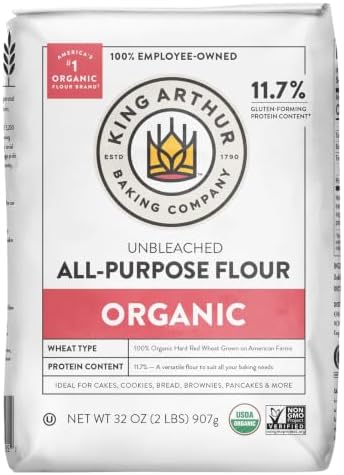
King Arthur 100% Organic All-Purpose Flour
Two cups of flour is the whole dough — this is the one flour that never lets you down.
Why we loved it: The gold standard for home bakers — consistent protein, no bleaching, and a crumb that behaves itself every single time. When the flour is this dependable, the baking gets to be the fun part.
Worth knowing: Costs a little more than store-brand flour, but the consistency is worth it for baking.
See the exact item on Amazon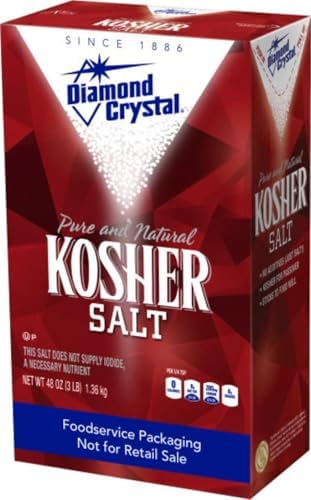
Diamond Crystal Kosher Salt
Salt in the dough is what makes the bread taste like bread — this is the selected option.
Why we loved it: The crystals are light and grabby, so you can season by feel, and it dissolves quickly in the dough and on the skillet. It's the salt selected for everyday seasoning.
Worth knowing: It's a bigger box than you need at first, but it keeps forever and you'll use it daily.
See the exact item on Amazon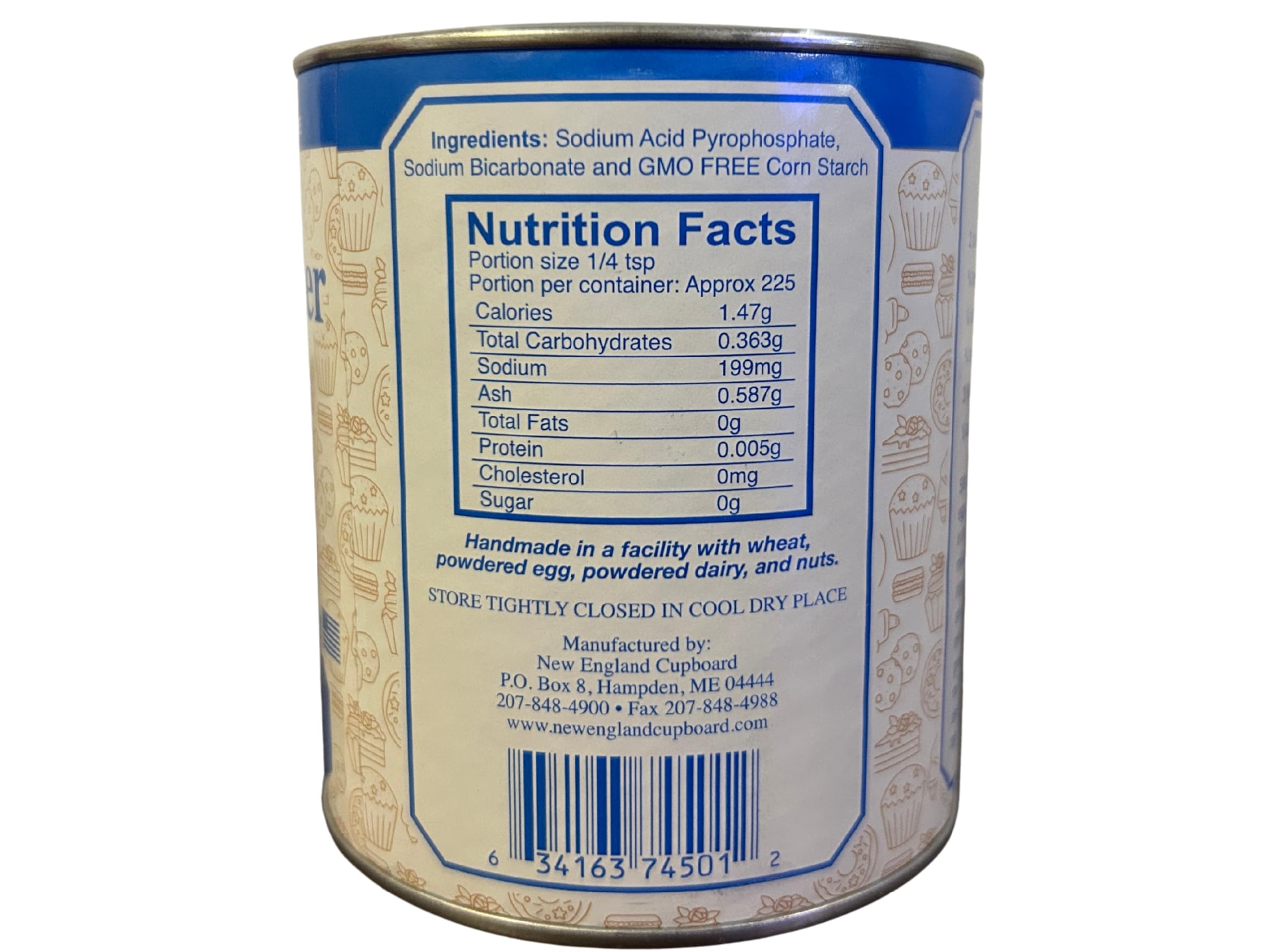
Bakewell Cream Double Acting Baking Powder
Half a teaspoon is all it takes to turn a dense flatbread into a puffy one.
Why we loved it: Bakers who've switched say the same thing: no metallic aftertaste, and the rise is noticeably taller. It's been made the same way since the 1930s for a reason.
Worth knowing: Costs more than the supermarket can, but a single can lasts through dozens of batches.
See the exact item on Amazon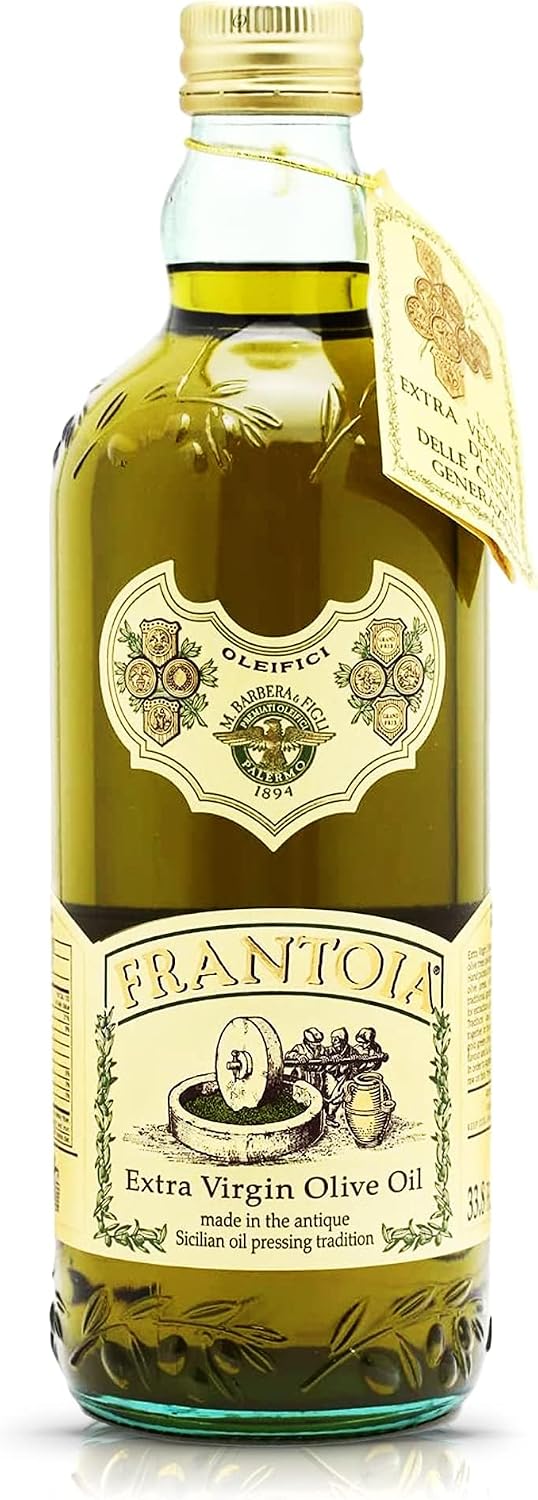
Frantoia Sicilian Extra Virgin Olive Oil
The oil is doing double duty here — in the dough and in the pan — so it's worth using one with flavor.
Why we loved it: It's peppery and green in the way fresh-pressed oil should be, and it stands up to the hot skillet without turning flat. A slick of this in the pan is half the flavor of the flatbreads.
Worth knowing: It's pricier than a big jug of everyday oil, so the selected option suits finishing and weeknight dishes like this.
See the exact item on Amazon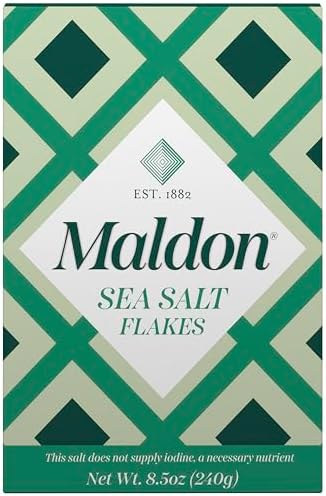
Maldon Sea Salt Flakes
Finishing salt is what makes the blistered crust taste crisp and clean — this is the one everyone reaches for.
Why we loved it: The pyramid flakes are the whole point — a clean mineral taste, a light crunch, and they dissolve fast on hot food. A pinch over the hot flatbreads is the finishing move.
Worth knowing: It's pricier than table salt, but you use a pinch at a time and it keeps for years.
See the exact item on Amazon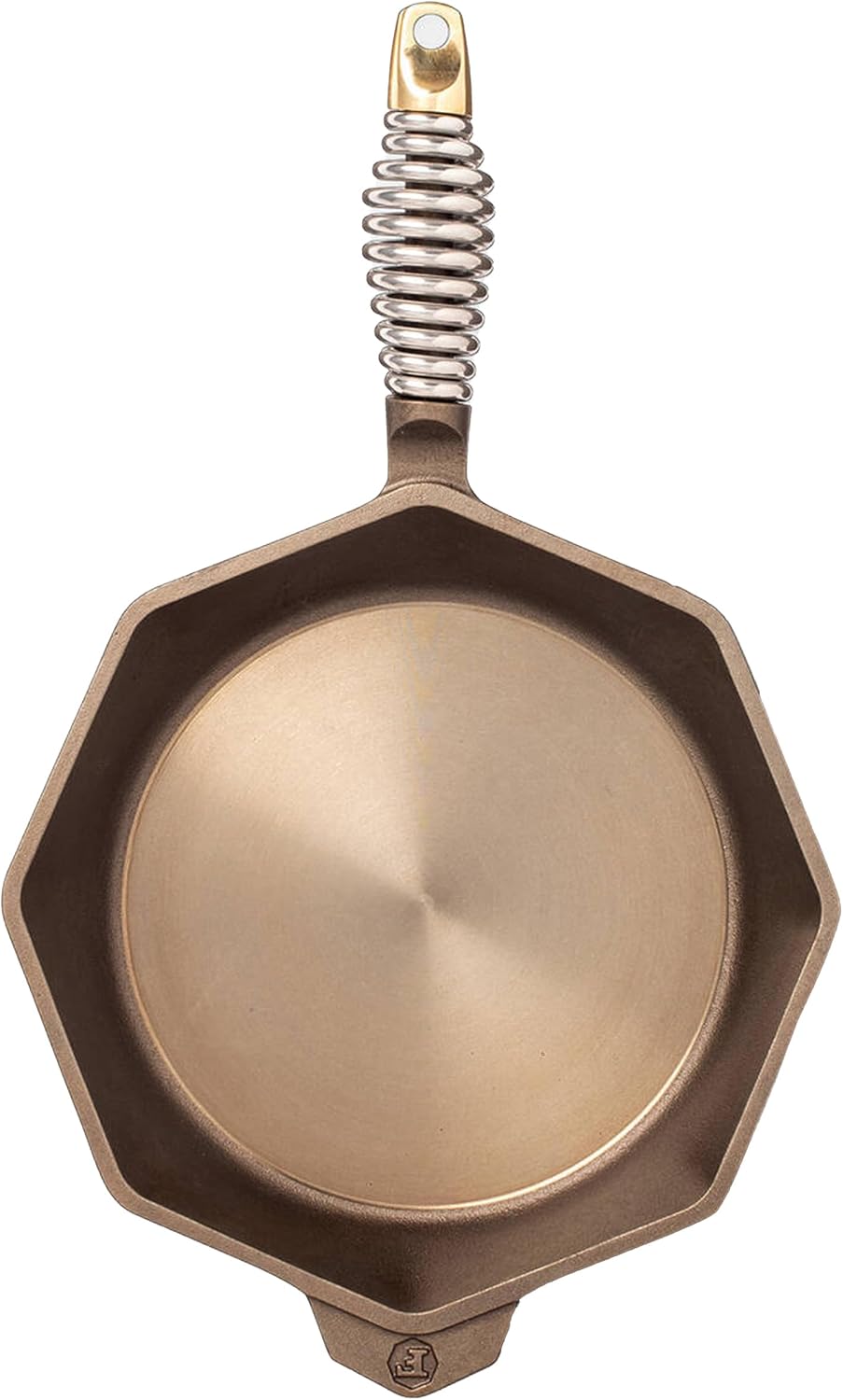
FINEX 10-Inch Cast Iron Skillet Without Lid
The cast-iron skillet is the hot surface used to blister and finish the flatbreads.
Why we loved it: We love the smooth cast-iron cooking surface: food releases cleanly, heat stays even, and regular seasoning deepens into a durable patina. That steady heat suits crisp searing, browned butter, braises, and hot-oven work.
Worth knowing: It costs more than a standard cast iron pan. Worth it if you cook most days, not if the skillet lives in a cabinet.
See the exact item on Amazon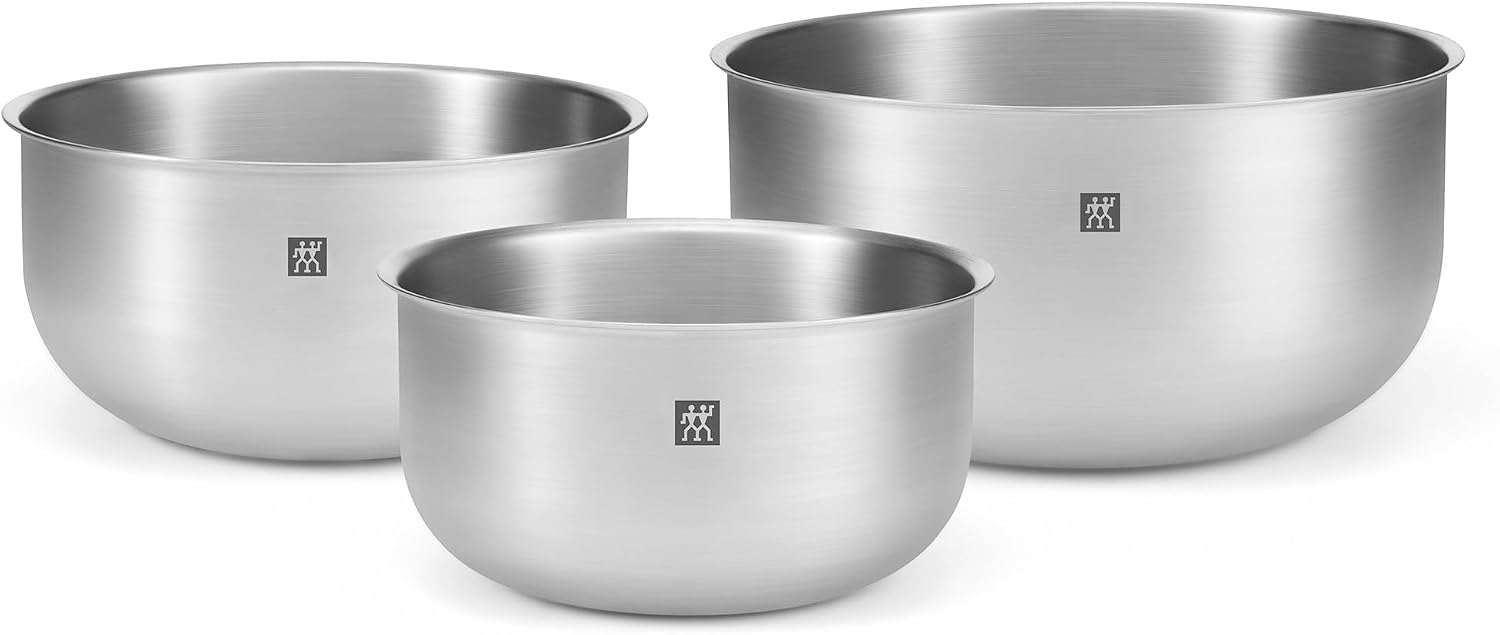
ZWILLING Prep 3-Piece Brushed Stainless Steel Nesting Bowls Set
The nested set covers every mixing job with a stable, heavy base.
Why we loved it: We love bowls that stay put on the counter, rims that pour cleanly, and a brushed stainless finish that hides routine scratches. They nest neatly, replacing a whole stack of stained plastic without making the cupboard feel crowded.
Worth knowing: Stainless is cold to the touch and not for the microwave, and the big bowl is heavy when full.
See the exact item on Amazon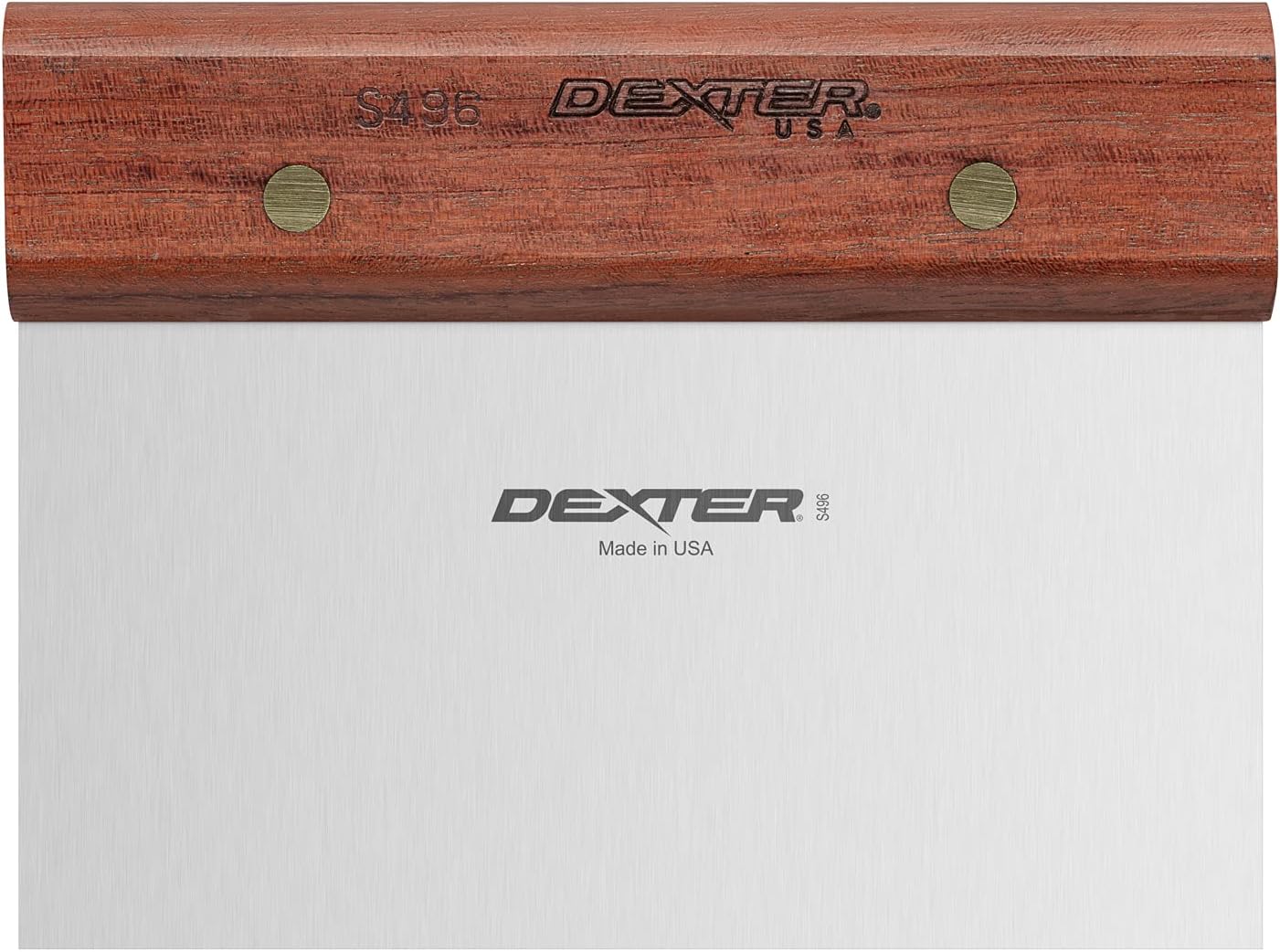
Dexter-Russell Walnut Dough Scraper, Stainless Steel
The stiff blade cuts and lifts the dough cleanly off the work surface.
Why we loved it: We love the stiff blade that cuts cleanly, the comfortable walnut handle, and a build made to last through daily bakery work.
Worth knowing: The blade needs prompt drying; hand washing keeps the handle and steel in shape.
See the exact item on Amazon