This week's work ·
The first asparagus of the year, and the pasta that let it shine
The market finally had asparagus — thin, green, and worth every minute of waiting. We kept it simple: spring pasta, lemon, and a shower of pecorino.
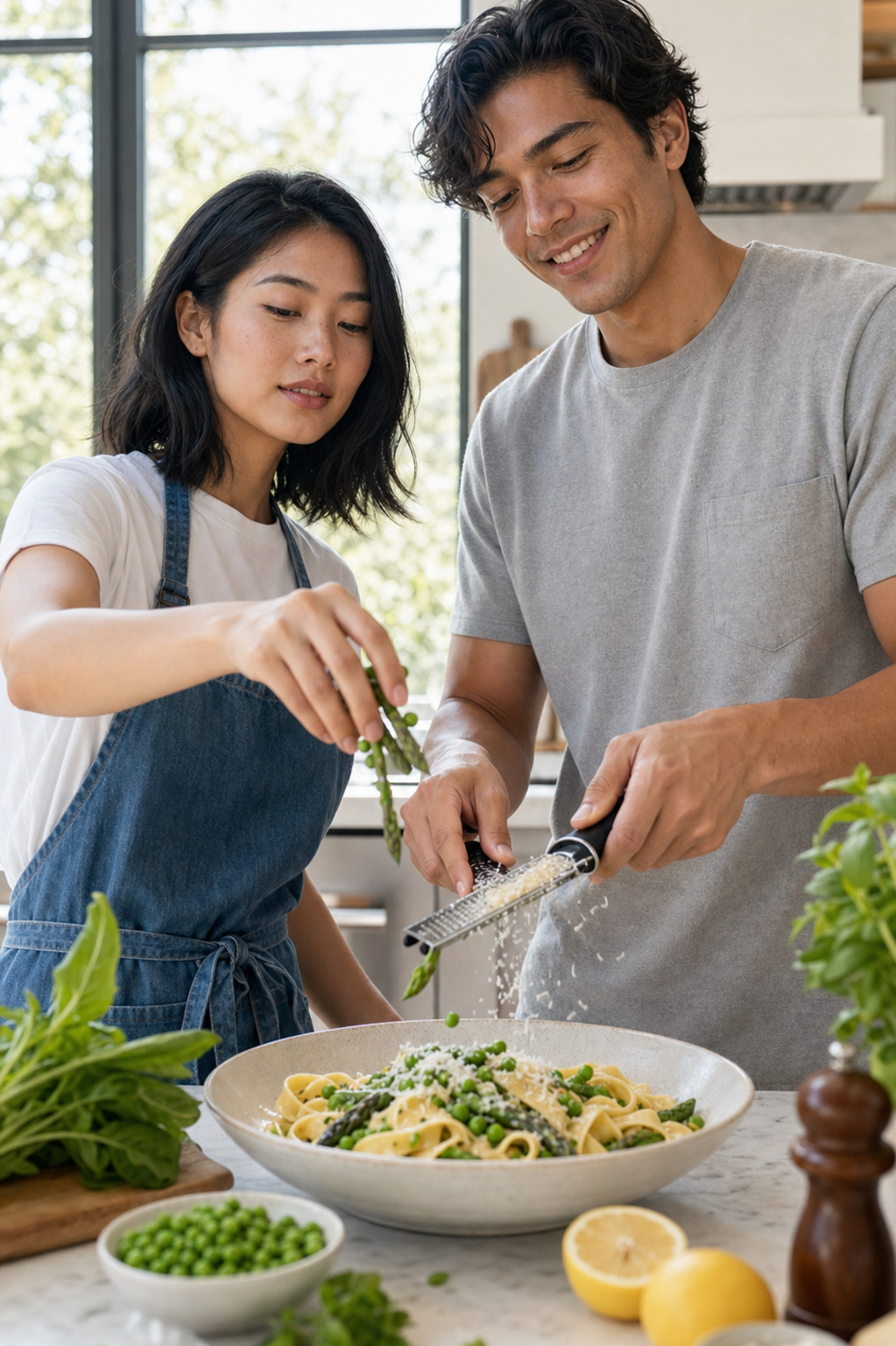
The first asparagus of the year showed up at the market on Saturday, thin spears bundled with rubber bands, still cool from the morning. We've been waiting for them since March, the way you wait for something you know is worth it. Marlowe bought two bundles without asking, and Tate didn't argue — the whole ride home was about whether to roast them or grill them or do something we hadn't tried yet.
We settled on pasta, the way we usually do when we want the vegetable to be the whole point. We snapped the woody ends, cut the spears on a sharp diagonal, and let them barely cook in the pan — a few minutes in good olive oil, a splash of the starchy pasta water, and they turned bright green and tender-crisp. Then we added the lemon zest, a lot of it, and finished the whole thing with pecorino shaved thin as paper.
The lesson was about timing. The asparagus did its job in the last three minutes of the dinner, not the first thirty. Some things are worth waiting for, and some things only need a little heat and a lot of lemon to be exactly right.
We ate it standing at the counter, forks in hand, and agreed it was the best thing we'd made in weeks. That's the whole point of spring, we think — the first taste of something green after a long winter of roots and stews.
Some things are worth waiting for, and some things only need a little heat and a lot of lemon to be exactly right.
02 · The recipe
Asparagus, Lemon & Pecorino Spring Pasta
Thin spring asparagus barely cooked in olive oil, tangled with fettuccine, bright lemon zest, and shaved pecorino — dinner in under half an hour.
- Prep
- 10 min
- Cook
- 15 min
- Total
- 25 min
- Yield
- 4 servings
What you'll need
Non-perishable
- 12 ounces bronze-cut fettuccine
- 1/4 cup extra-virgin olive oil, plus more for drizzling
- 1/2 teaspoon fine sea salt
- 1/4 teaspoon freshly cracked black pepper
- 1/4 teaspoon red pepper flakes
- Flaky sea salt, to finish
Perishable
- 1 bunch thin asparagus (about 1 pound), woody ends snapped off
- 2 cloves garlic, thinly sliced
- 1 teaspoon finely grated lemon zest
- 3 tablespoons fresh lemon juice
- 1/2 cup grated pecorino romano, plus more for serving
Useful equipment
Method
- Bring a large pot of well-salted water to a boil. Cook the fettuccine until just shy of al dente, about a minute less than the package says — it finishes in the pan. Scoop out a cup of the starchy water before draining.
- While the pasta cooks, cut the asparagus on a sharp diagonal into pieces about two inches long. Heat the olive oil in a wide skillet over medium, add the garlic, and cook just until fragrant, about 30 seconds.
- Add the asparagus with a pinch of salt and toss for 2–3 minutes, until bright green and barely tender. Add the red pepper flakes and the lemon zest and cook one minute more.
- Add the drained pasta to the skillet with a splash of pasta water. Toss over medium heat, adding water a little at a time, until the sauce turns glossy and coats every strand — about 2 minutes.
- Take the pan off the heat, add the lemon juice and most of the pecorino, and toss hard. Taste, add salt and pepper, and serve with the rest of the cheese and a shower of flaky salt.
03 · Linked objects
The things worth mentioning.
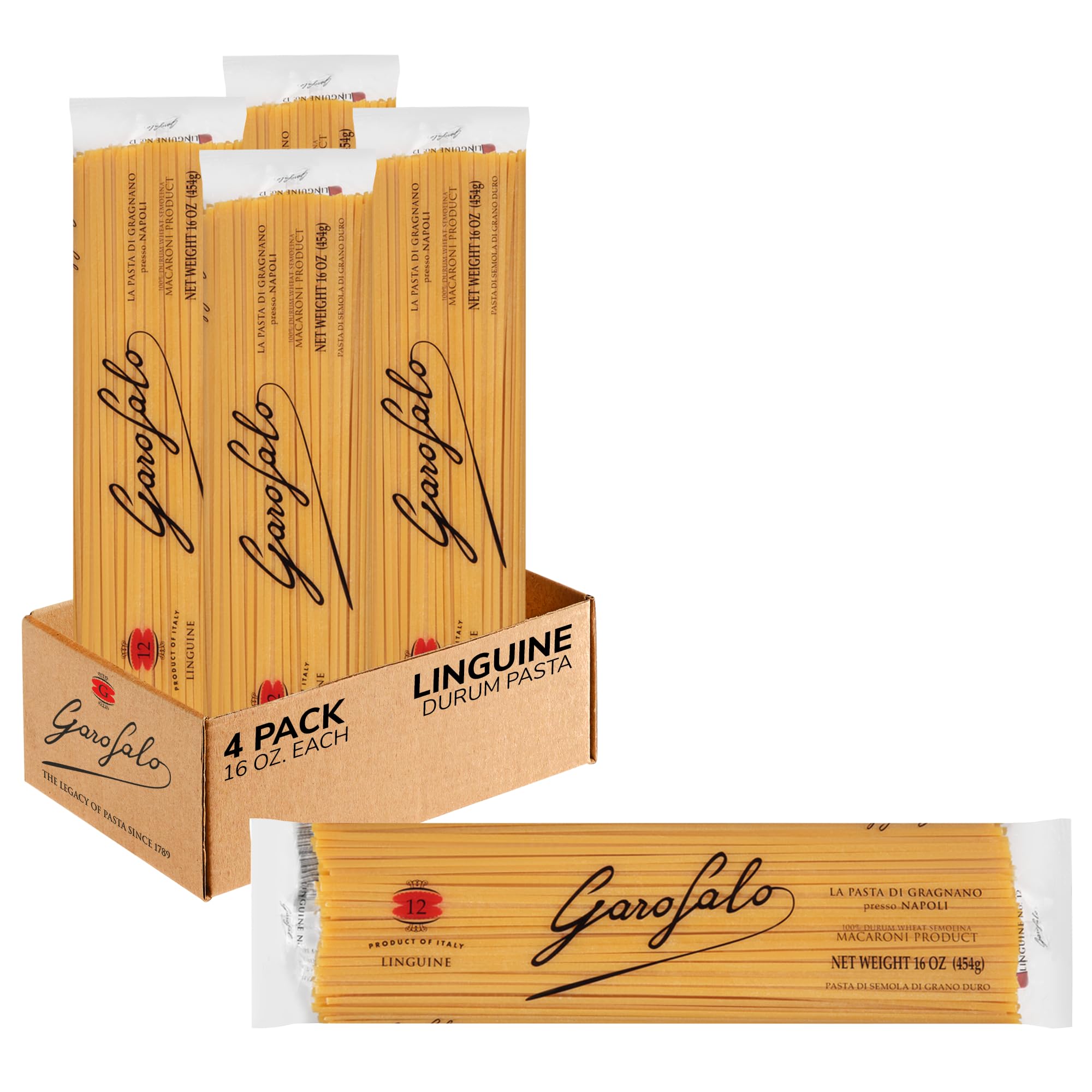
Garofalo Bronze-Cut Fettuccine
Bronze-cut pasta is the difference between a sauce that coats and a sauce that puddles. This one belongs.
Why we loved it: The bronze-cut surface is the whole point — the sauce clings instead of sliding off, and it holds its bite through the toss with the asparagus. pasta comparisons across a dozen shapes favor this fettuccine for repeat use.
Worth knowing: Costs a little more than supermarket pasta, but a box goes a long way and the texture is noticeably better.
See the exact item on Amazon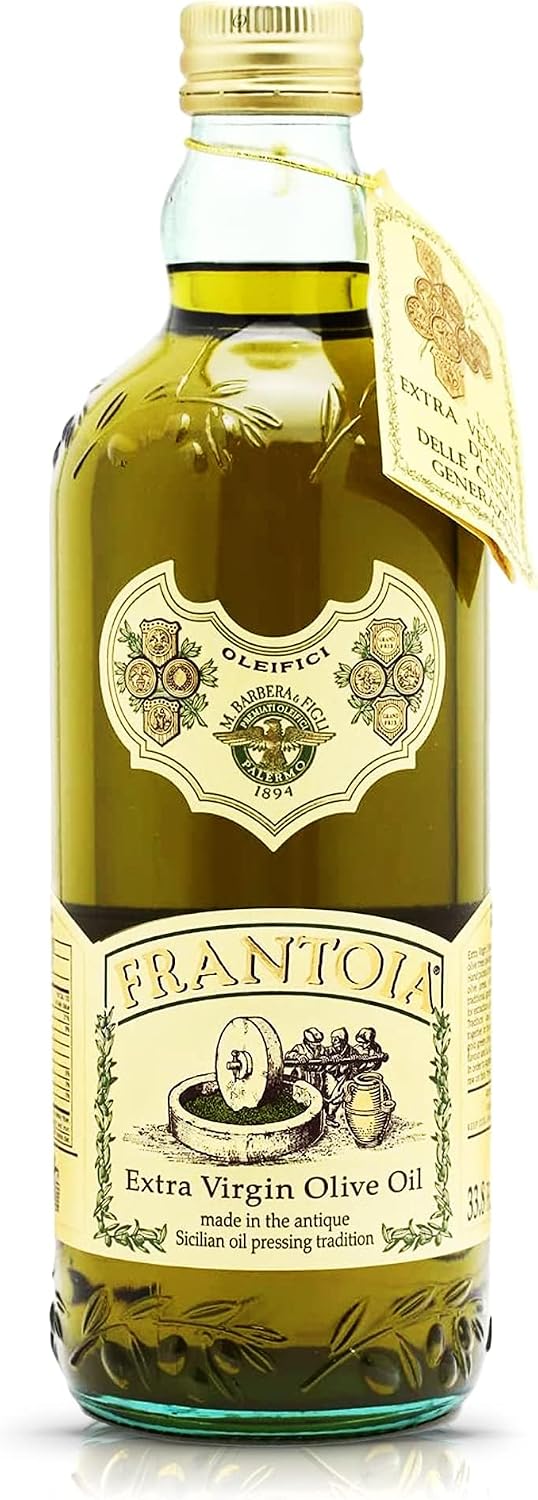
Frantoia Sicilian Extra Virgin Olive Oil
A quarter cup of good oil is doing real work here — it's worth using the one with flavor.
Why we loved it: We love an oil that's peppery and green in the way fresh-pressed oil should be, holding up to heat without turning flat and making everything else on the plate taste more like itself.
Worth knowing: It's pricier than a big jug of everyday oil, so the selected option suits finishing and weeknight dishes like this.
See the exact item on Amazon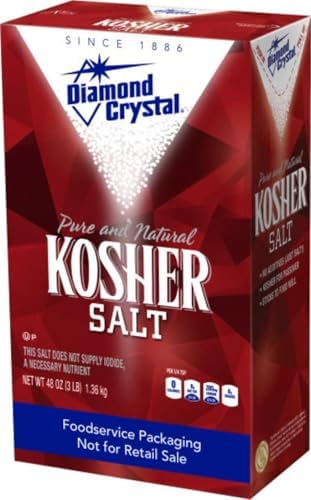
Diamond Crystal Kosher Salt
Salt in the water is what seasons the pasta from the inside — this is the selected option.
Why we loved it: The crystals are light and grabby, so you can season by feel, and it dissolves quickly in the pasta water and the pan. It's the salt selected for everyday seasoning.
Worth knowing: It's a bigger box than you need at first, but it keeps forever and you'll use it daily.
See the exact item on Amazon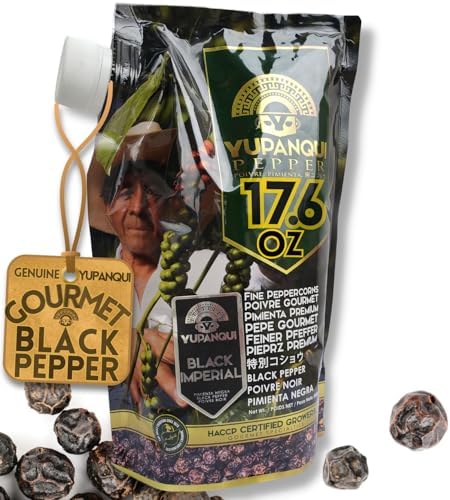
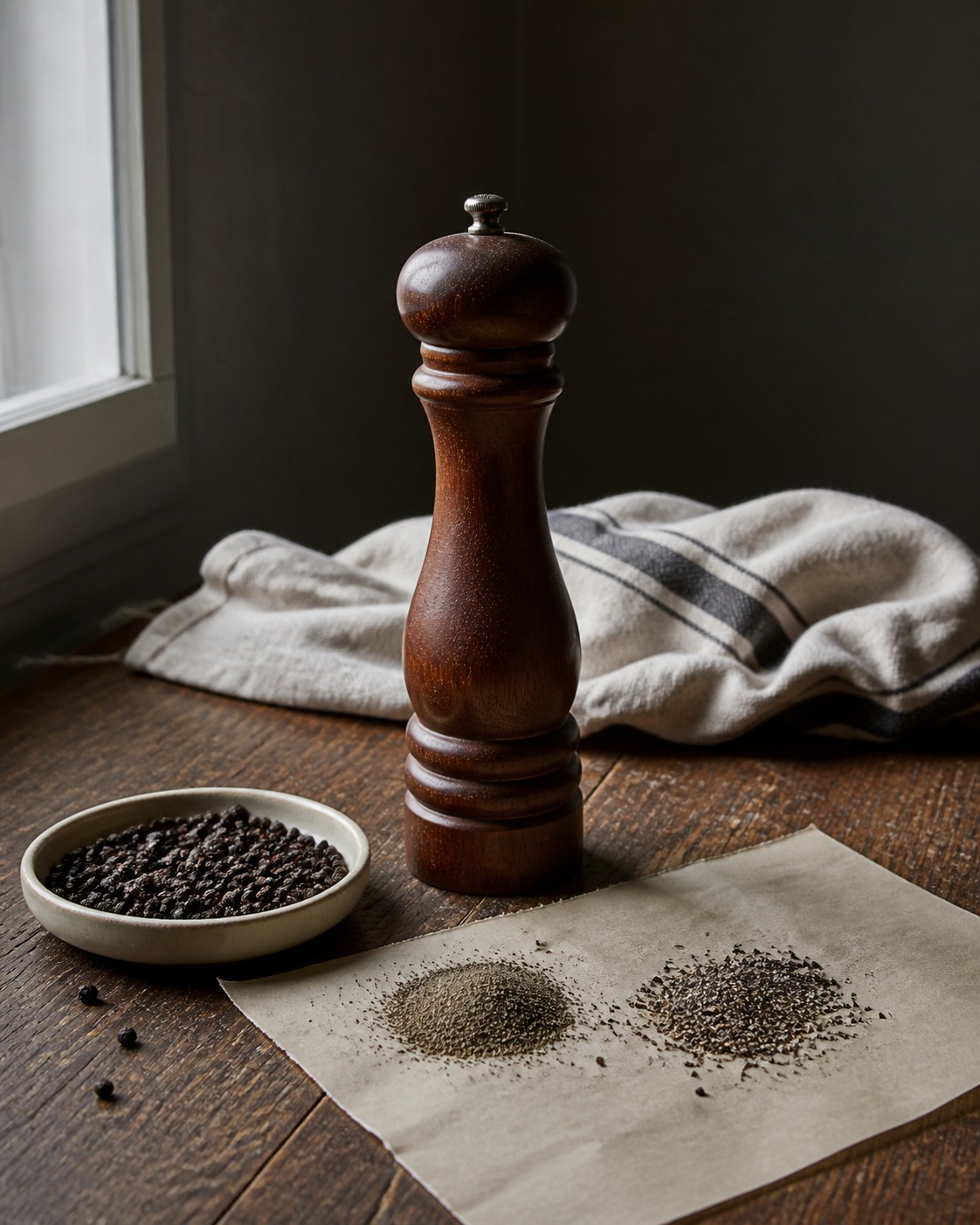
Yupanqui Organic Black Peppercorns
Fresh-cracked pepper does the same job for this pasta that it does for cacio e pepe — it's the backbone of the seasoning.
Why we loved it: Grinders who've switched say the aroma is the first thing you notice — floral, warm, with a clean heat instead of a bitter one. It's the pepper that makes a pinch taste like it was just ground, because it was.
Worth knowing: It's a single-origin spice in a generous bag — costs more than the supermarket tin, but it stays whole and aromatic for months.
See the exact item on Amazon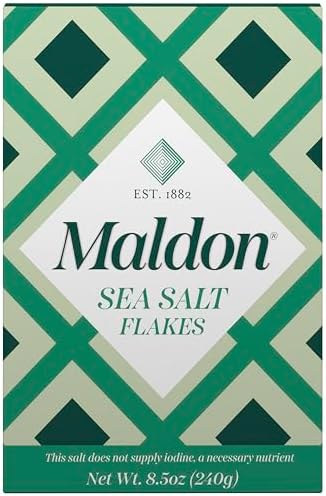
Maldon Sea Salt Flakes
Finishing salt is what makes the dish taste crisp and clean — this is the one everyone reaches for.
Why we loved it: The pyramid flakes are the whole point — a clean mineral taste, a light crunch, and they dissolve fast on hot food. Chefs have finished with it for generations, and a box lasts a long time because a pinch is plenty.
Worth knowing: It's pricier than table salt, but you use a pinch at a time and it keeps for years.
See the exact item on Amazon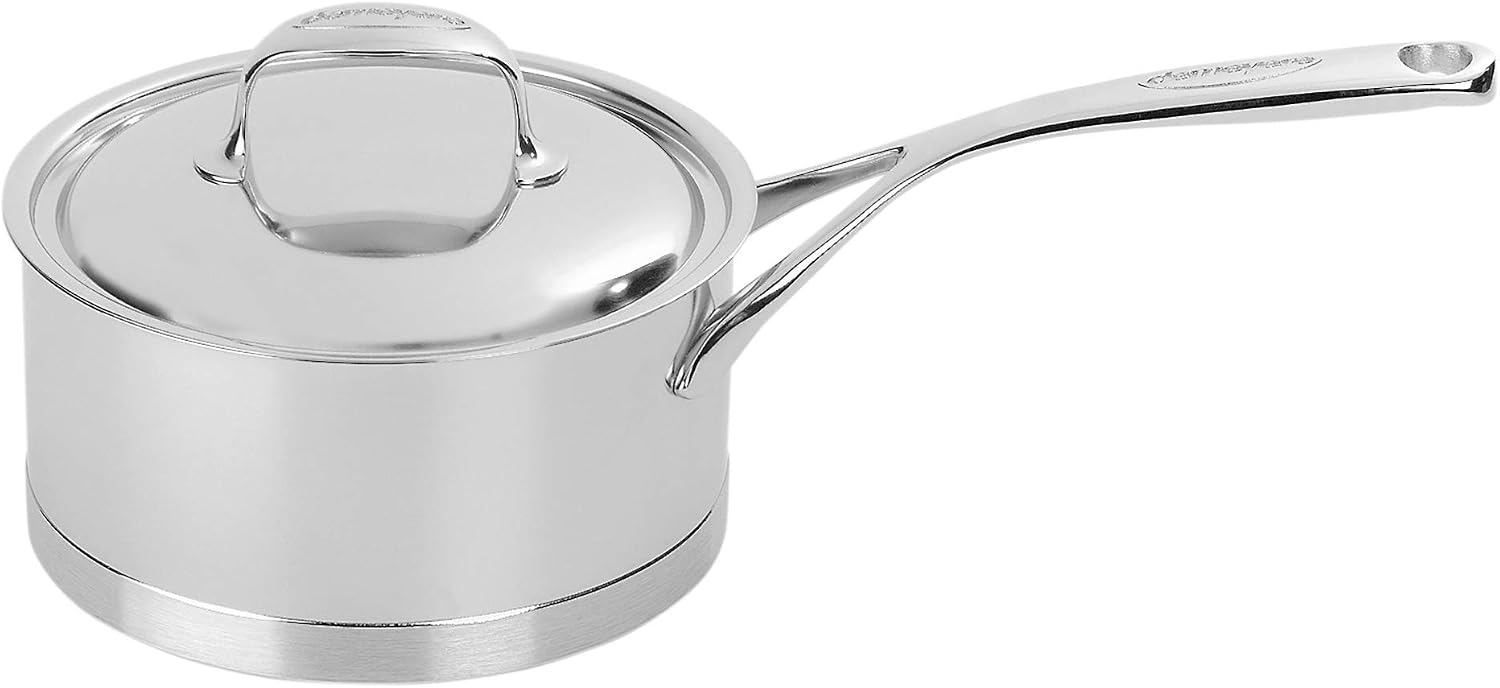
Demeyere Atlantis 3.2 Quart Saucepan with Lid
The saucepan is used to bring the pasta water to a boil and hold the finished sauce.
Why we loved it: We love even heat that lets sauces simmer instead of scorch, a welded handle without food-catching rivets, and dishwasher-safe construction. It's a dependable saucepan when the method needs patience.
Worth knowing: It's heavy, heats up slower than thin pans, and needs a little fat or liquid before high heat. Skip it if you want a lightweight nonstick pan.
See the exact item on Amazon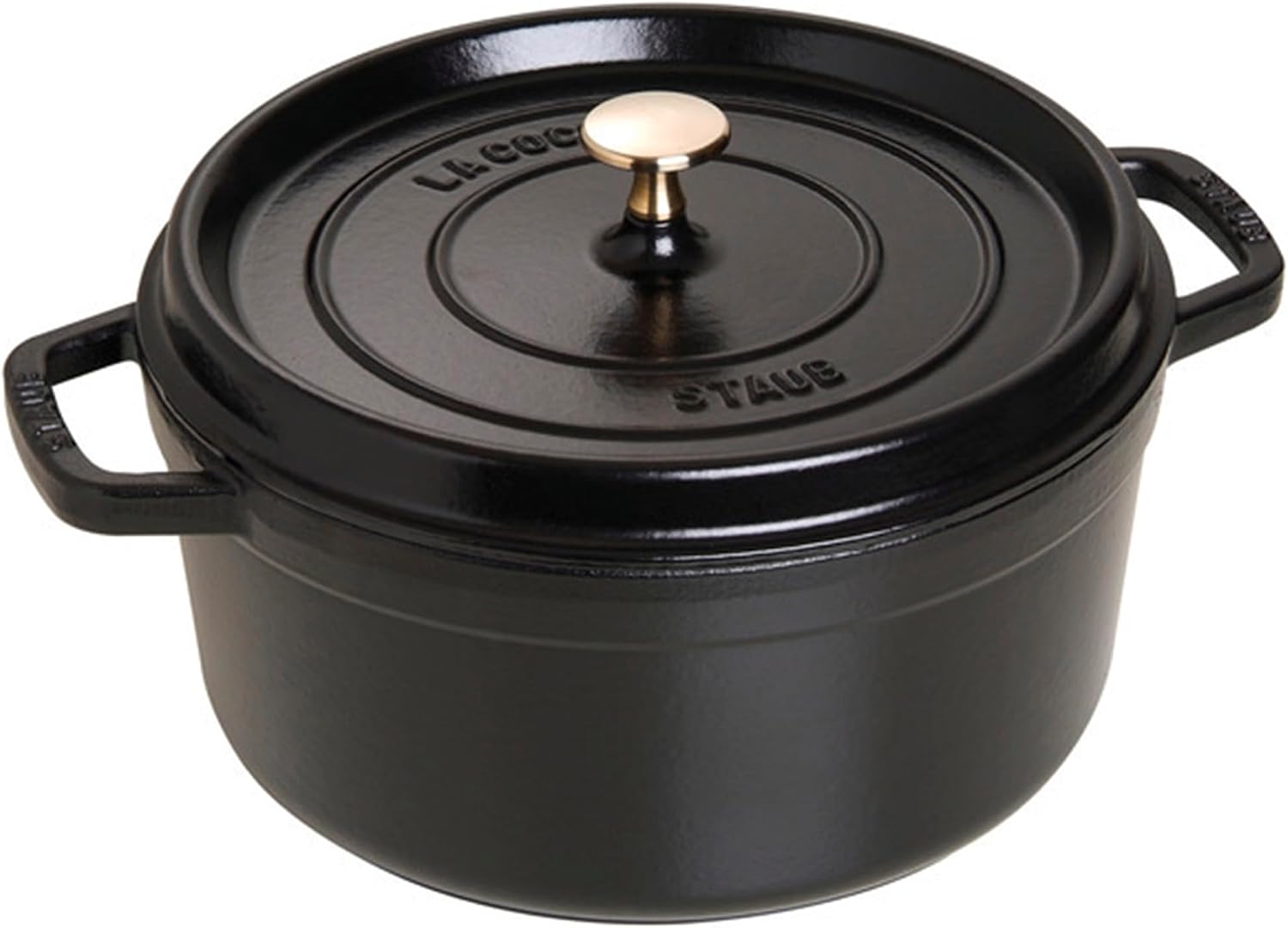
Staub 5.5-Quart Round Cocotte, Matte Black
The 5.5-quart cocotte holds the pasta water with room for the fettuccine to boil and swim.
Why we loved it: We love a pot that sears hard, holds a low oven steady, and moves from stovetop to table without fuss. The self-basting lid helps retain moisture, and the durable build handles the quick pasta water boil without complaint.
Worth knowing: It's heavy — a two-hand job when full — and enameled cast iron needs gentle handling and hand washing. Skip it if you want a lightweight pot.
See the exact item on Amazon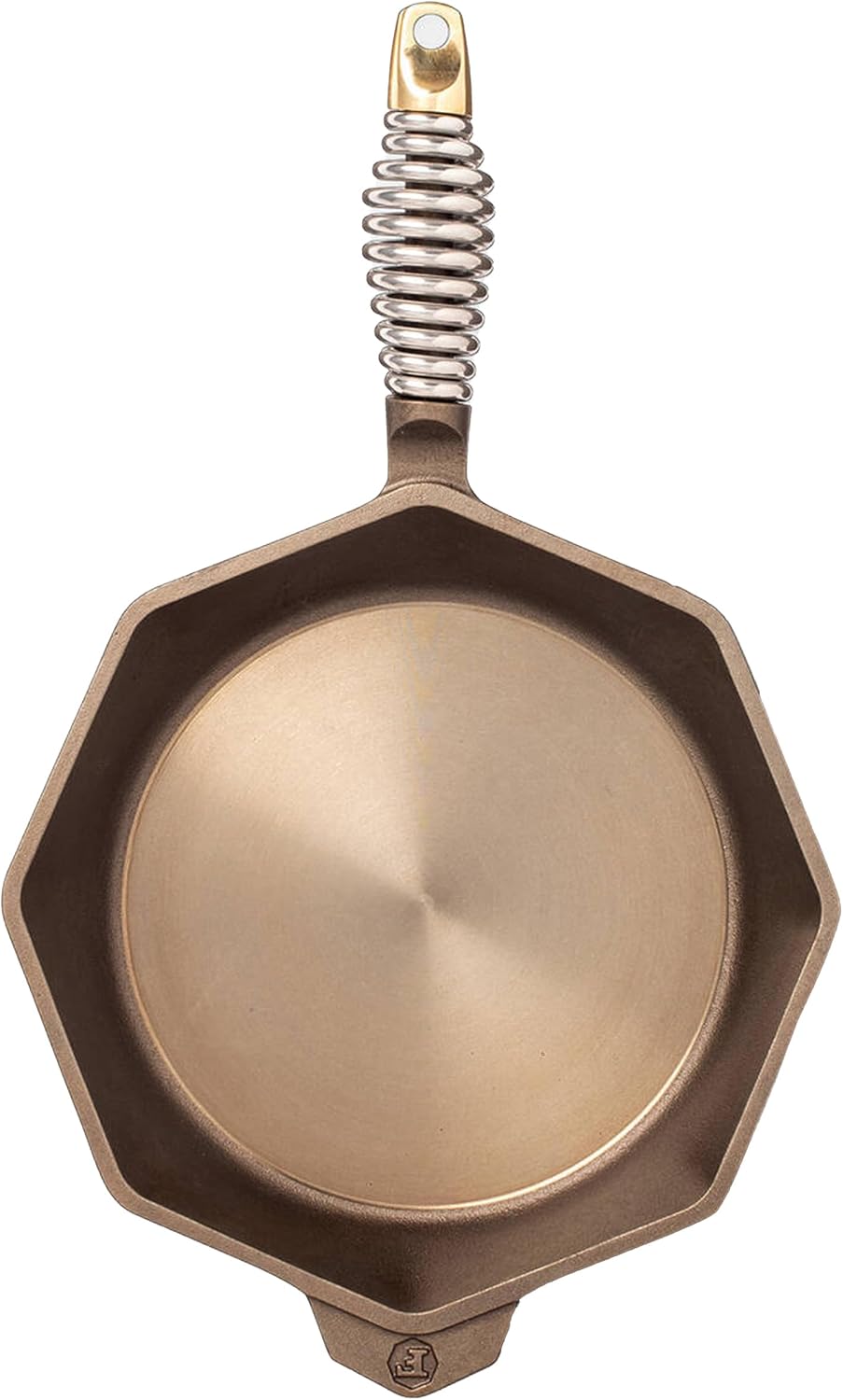
FINEX 10-Inch Cast Iron Skillet Without Lid
The 10-inch skillet cooks the asparagus and garlic, then tosses the drained pasta in the glossy sauce.
Why we loved it: We love the smooth cast-iron cooking surface: food releases cleanly, heat stays even, and regular seasoning deepens into a durable patina. That steady heat suits crisp searing, browned butter, braises, and hot-oven work.
Worth knowing: It costs more than a standard cast iron pan. Worth it if you cook most days, not if the skillet lives in a cabinet.
See the exact item on Amazon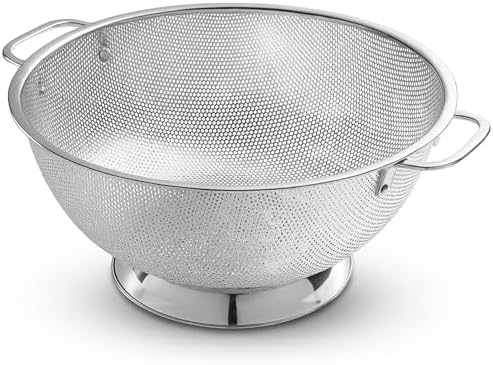
Bellemain Stainless Steel Colander, 5 Qt
The 5-quart bowl fits the full batch with room to drain without spilling.
Why we loved it: We love the sturdy build, generous 5-quart capacity, and handles that make lifting a full pot of pasta feel manageable.
Worth knowing: The large size takes cabinet space; hand washing keeps the steel bright.
See the exact item on Amazon