This week's work ·
The heavy-bottom saucepan for steady sauces
Even heat, a welded handle, and the honest stovetop care tradeoff behind a calmer simmer.

Thin pots create a familiar kitchen failure: sauce scorches at the bottom, rice sticks, and milk catches when attention moves elsewhere. A heavy-bottom saucepan spreads heat more evenly and makes gentle simmering more predictable.
The welded handle leaves fewer rivets for food to collect, while the weight steadies the pot. The result is useful for oatmeal, rice, sauces, and the small pan work between a skillet and a stockpot.
The honest catch: a heavy bottom adds weight, and dishwasher-safe construction does not remove the need to watch heat. Even cookware improves a method; it does not replace one.
The influencer version is a four-hundred-dollar copper showpiece. The practical middle is a substantial stainless saucepan with a clear job and fewer failure points.
Linked objects
The things worth mentioning.
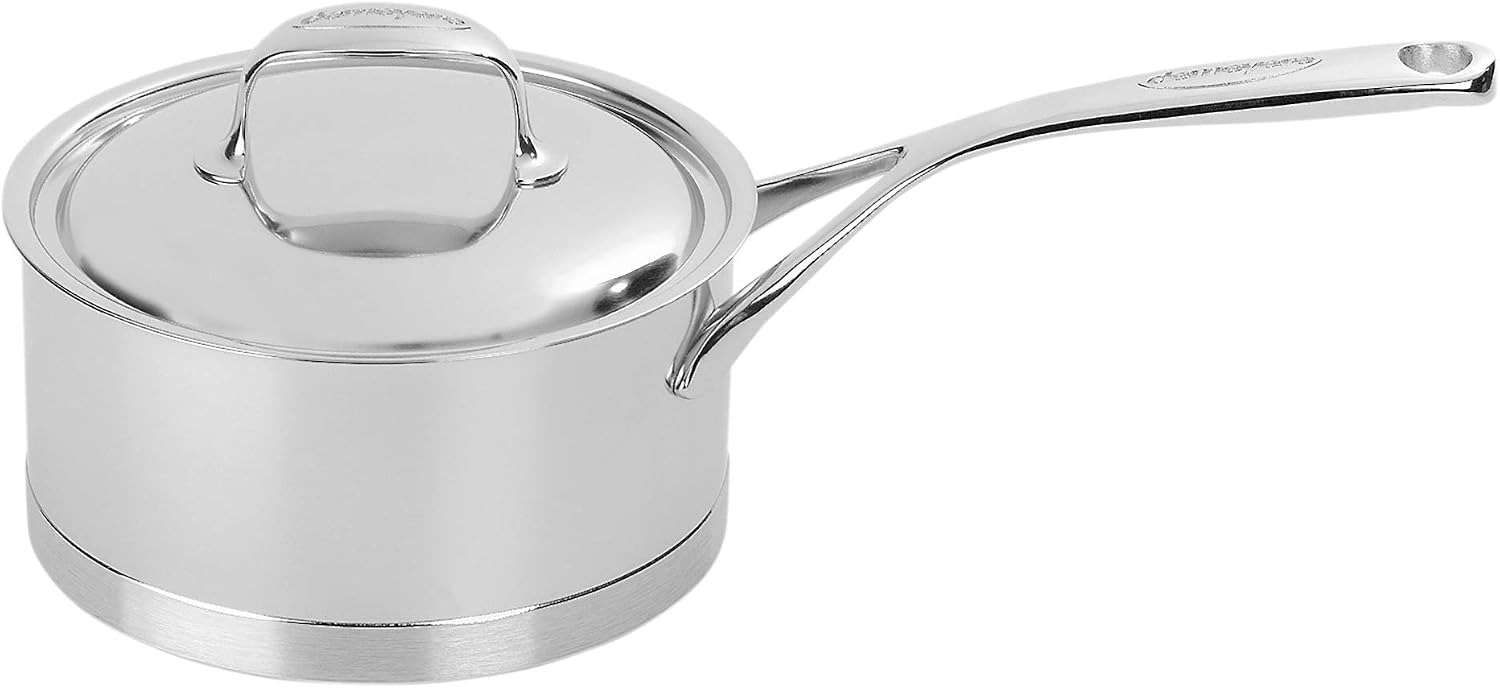
Demeyere Atlantis 3.2 Quart Saucepan with Lid
The Demeyere Atlantis three-quart saucepan — a Belgian-made pan with a seven-layer base that spreads heat evenly, so sauces simmer instead of scorch. The heavy bottom is the whole product.
We love even heat that lets sauces simmer instead of scorch, a welded handle without food-catching rivets, and dishwasher-safe construction. It's a dependable saucepan when the method needs patience.
Worth knowing: It's heavy, heats up slower than thin pans, and needs a little fat or liquid before high heat. Skip it if you want a lightweight nonstick pan.
See the exact item on Amazon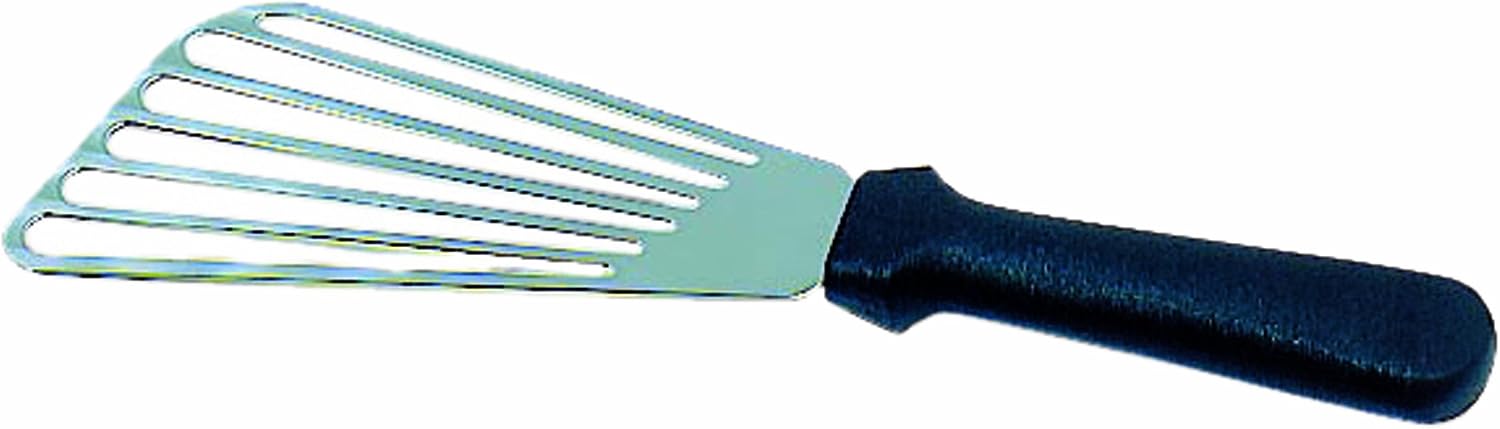
Matfer Bourgeat Stainless Steel Fish Spatula/Turner
A thin, flexible stainless fish spatula from Matfer Bourgeat, made in France since 1814. The professional turner that slides under fragile food without crushing it — the offset handle keeps your knuckles out of the pan.
The flexible blade lifts fragile things without crushing them, and the offset handle keeps your hand clear of the pan. It's the tool that makes the mid-roast toss look easy — the same turner professional kitchens have used for generations.
Worth knowing: Hand-wash only, and the thin blade needs a careful hand for heavier foods.
See the exact item on Amazon