This week's work ·
Sugar snap peas, a hot wok, and the fastest dinner of the spring
The snap peas at the market were so good we ate half of them raw on the way home. The other half went into a hot wok with garlic and sesame — done in four minutes.

The sugar snap peas showed up at the market two weeks early, in big green piles, and we couldn't help ourselves — we stood at the counter and ate a handful each before we'd even paid. They were that good: crisp, sweet, with that little pop when you bite them.
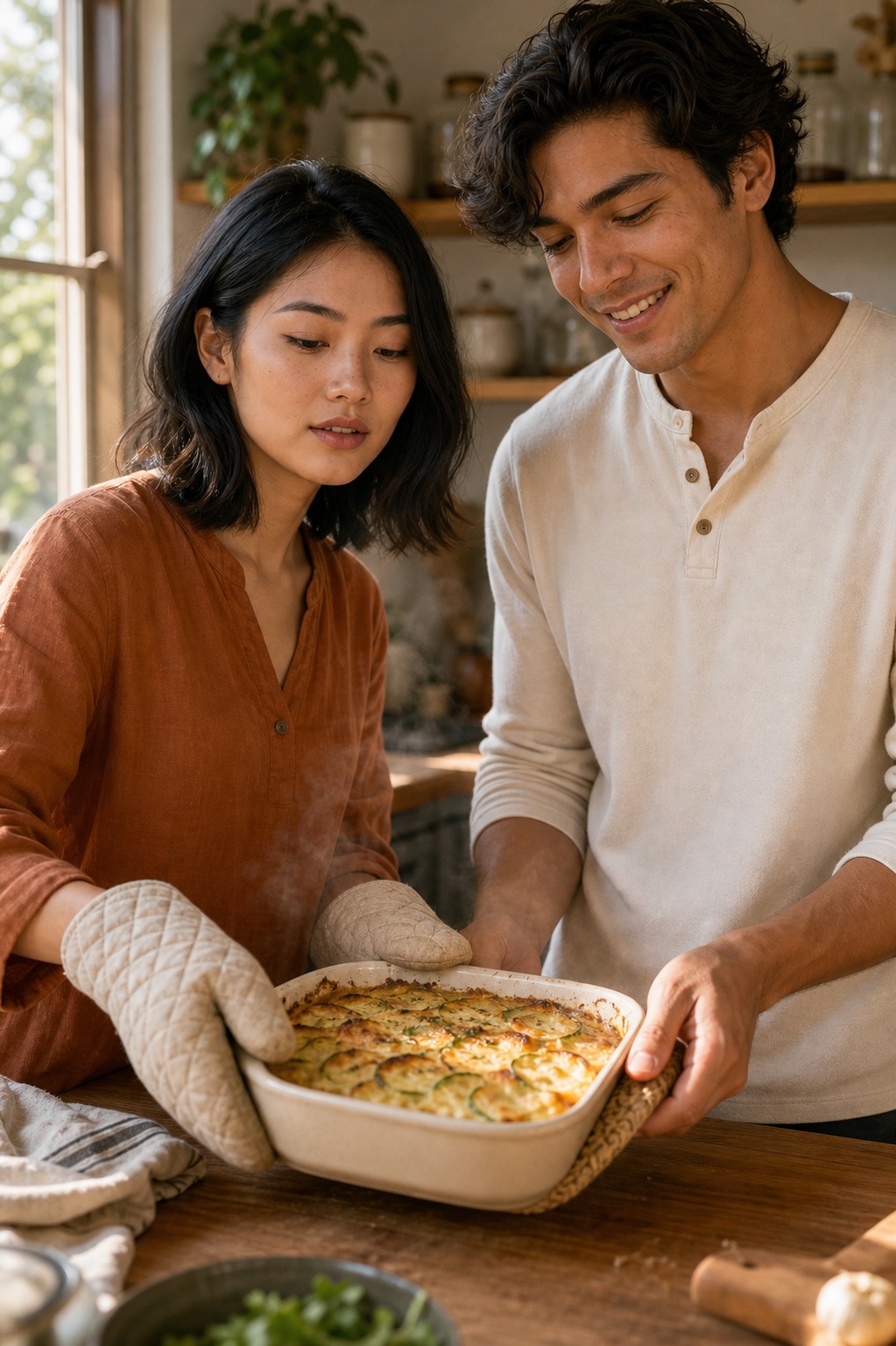
We wanted dinner to keep up with the peas, so we kept it to one pan and about four minutes of cooking. A screaming-hot wok, a slick of peanut oil, the peas tossed until they blistered in spots, then garlic, a splash of mirin, a spoonful of white miso melted into the last of the heat, and a shower of toasted sesame seeds at the end.
We served it over rice with a fried egg on top, which is our move when we want dinner to feel like more than a vegetable. But honestly the peas were the main event — bright green, sweet, and still snap-crisp under the sauce.
The lesson was about respecting a short season. Snap peas are here for a few weeks, and they don't need much. A hot pan, a little garlic, and they'll do the rest.
Snap peas are here for a few weeks, and they don't need much — a hot pan, a little garlic, and they'll do the rest.
02 · The recipe
Blistered Sugar Snap Peas with Garlic, Miso & Sesame
Snap peas blistered in a screaming-hot wok with garlic, white miso, and mirin, finished with toasted sesame — the fastest vegetable dish of the season.
- Prep
- 10 min
- Cook
- 10 min
- Total
- 20 min
- Yield
- 4 servings
What you'll need
Non-perishable
- 2 tablespoons peanut oil
- 1 tablespoon white miso paste
- 1 tablespoon mirin
- 1/2 teaspoon toasted sesame oil
- 1 tablespoon toasted sesame seeds
- 1/2 teaspoon fine sea salt
- 1/4 teaspoon red pepper flakes
Perishable
- 1 1/2 pounds sugar snap peas, strings pulled
- 3 cloves garlic, thinly sliced
- Cooked rice and fried eggs, for serving
Useful equipment
Method
- Set a wok over the highest heat your stove will give you. Let it get properly hot — a drop of water should dance across it — then add the peanut oil and swirl.
- Add the snap peas and toss constantly for 2 minutes, until they blister and turn bright green. Add the garlic and red pepper flakes and toss 30 seconds more, until fragrant.
- Push the peas to one side, drop the miso and mirin into the empty spot, and let them sizzle together for a few seconds before tossing everything to coat.
- Take the wok off the heat, add the sesame oil and salt, and toss once more. Pile over rice, top with a fried egg if you like, and shower with the sesame seeds.
03 · Linked objects
The things worth mentioning.
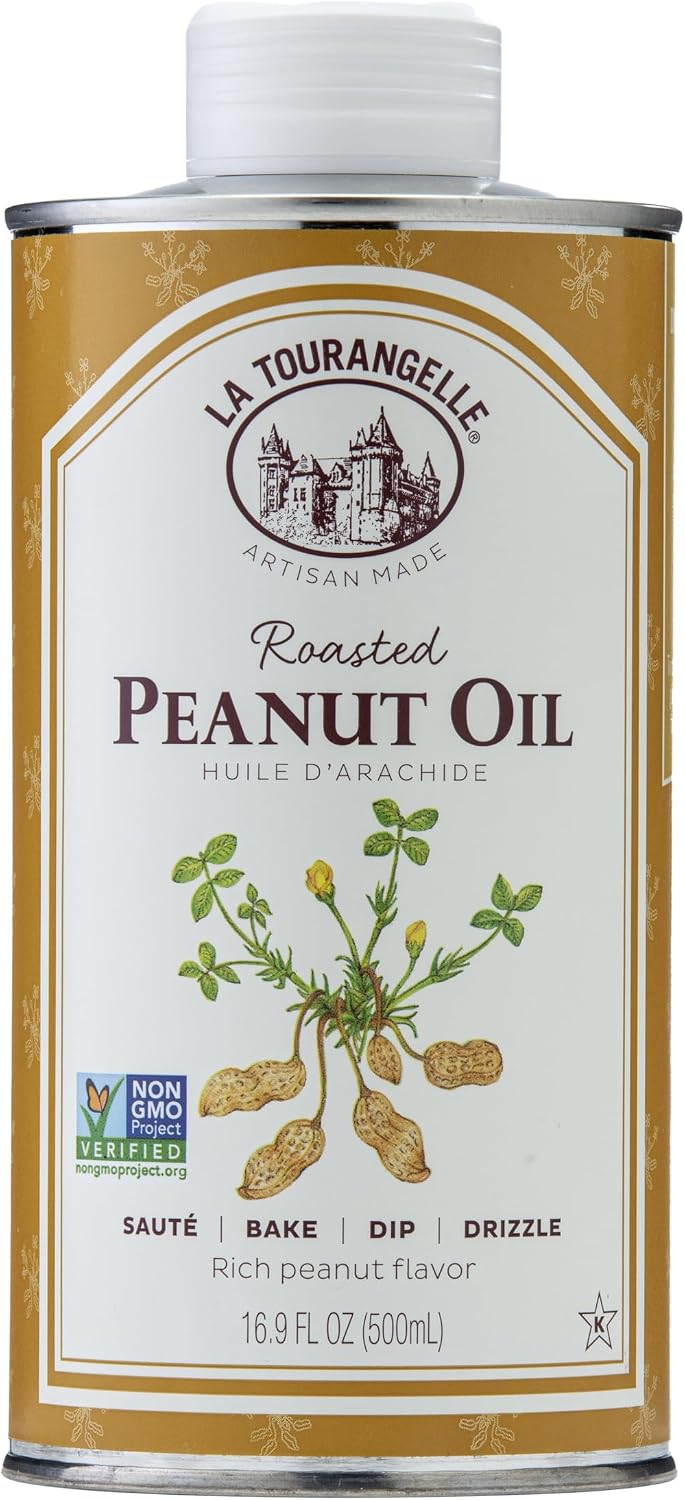
La Tourangelle Roasted Peanut Oil
A neutral-ish oil with a high smoke point is the right call at wok temperatures — this one adds flavor instead of just heat.
Why we loved it: We love the gentle nuttiness from the roasting: it flatters sweet peas without overpowering them and takes screaming heat without smoking out the kitchen. It makes a quick stir-fry taste properly savory.
Worth knowing: Peanut oil is pricier than canola, but a bottle lasts through many stir-fries.
See the exact item on Amazon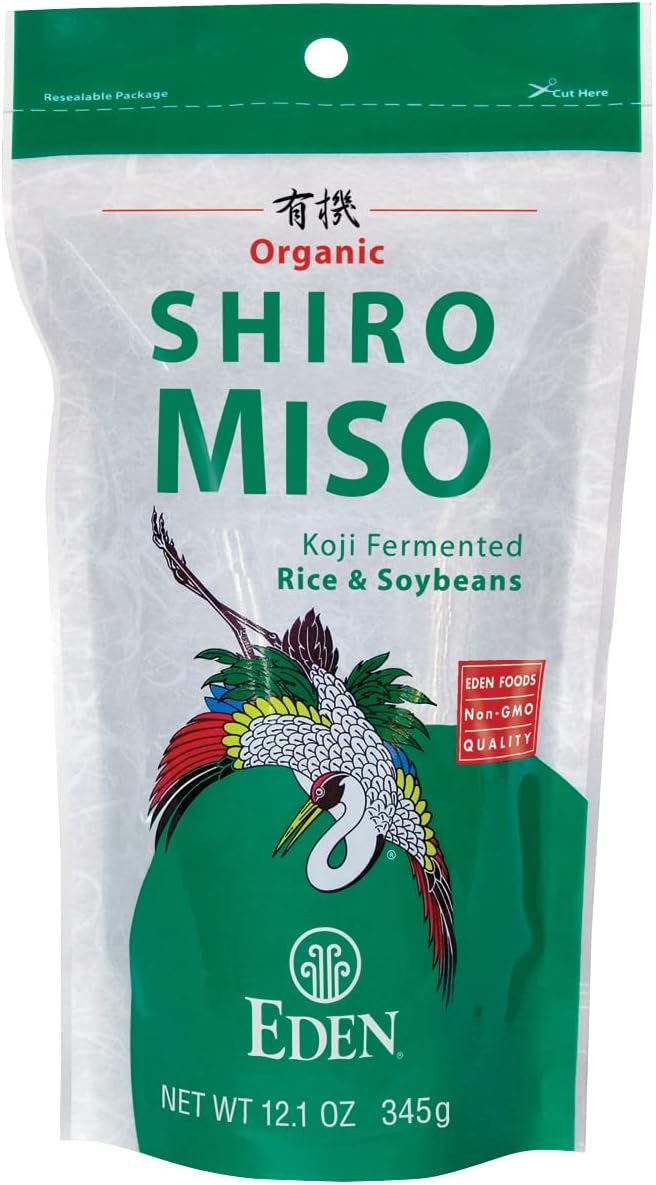
Eden Organic Shiro White Miso
Miso is the umami backbone here — a good one is the difference between glazed and just seasoned.
Why we loved it: White miso is the mellow option when a spoonful of depth is wanted without a wall of salt. A tablespoon in the wok becomes a glossy glaze that coats every pea.
Worth knowing: It's a specialty pantry item, but it keeps for months in the fridge and a tub goes a long way.
See the exact item on Amazon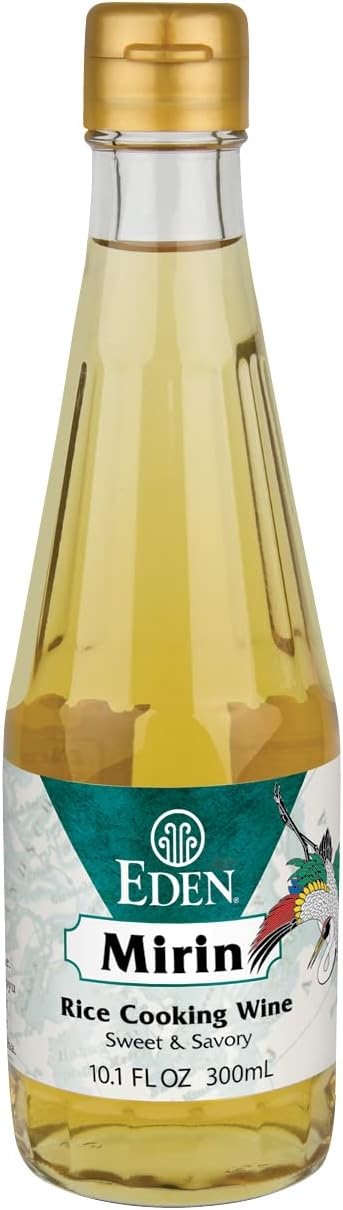
Eden Mirin
One tablespoon of real mirin does what a spoonful of sugar can't — it brightens without sweetening.
Why we loved it: Real mirin has a depth that the corn-syrup versions don't — a little sweetness, a little alcohol warmth, and it makes the sauce taste round instead of sharp.
Worth knowing: It's a specialty bottle, but you'll use it in every stir-fry and glaze from here on.
See the exact item on Amazon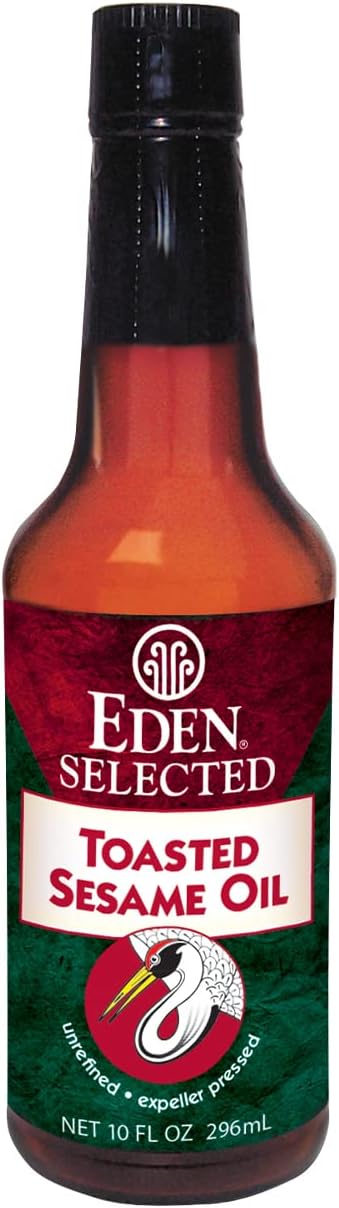
Eden Toasted Sesame Oil
Toasted sesame oil is a finishing oil — added last, it makes the whole plate smell like toasted seeds.
Why we loved it: It's properly toasted and properly intense — you need half a teaspoon, not a splash. Finishing the peas with it off the heat keeps the aroma alive.
Worth knowing: It's potent stuff, so a bottle lasts a long time — just keep it in a cool cabinet.
See the exact item on Amazon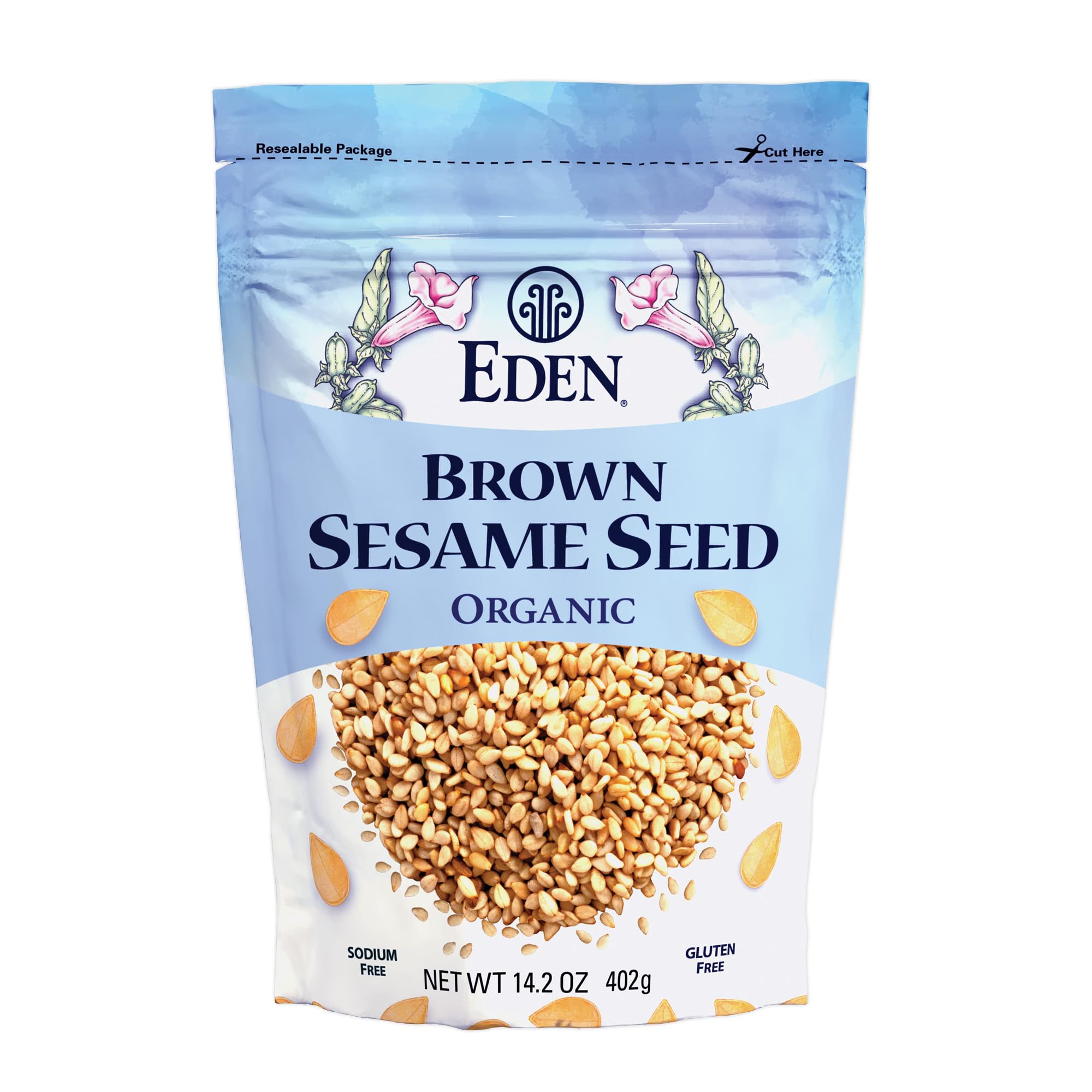
Eden Organic Brown Sesame Seeds
Toasted seeds give the peas their textural finish; this bag is a practical choice for the final scatter.
Why we loved it: Unhulled seeds keep more of their flavor, and toasting them dry for a minute wakes them right up. They add the little pop of crunch the peas deserve.
Worth knowing: Toasting is a 60-second job — skip it and you lose half the flavor.
See the exact item on Amazon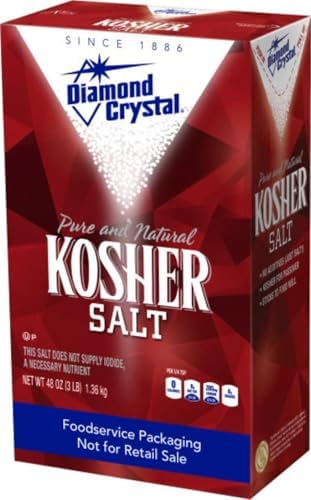
Diamond Crystal Kosher Salt
Salt is what makes the peas taste like themselves — this is the selected option.
Why we loved it: The crystals are light and grabby, so you can season by feel, and it dissolves quickly on the hot peas. It's the salt selected for everyday use.
Worth knowing: It's a bigger box than you need at first, but it keeps forever and you'll use it daily.
See the exact item on Amazon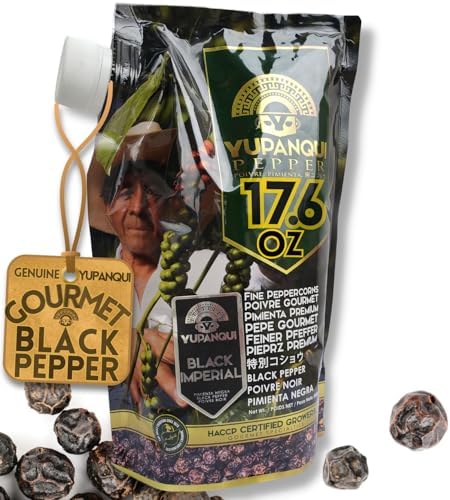
Yupanqui Organic Black Peppercorns
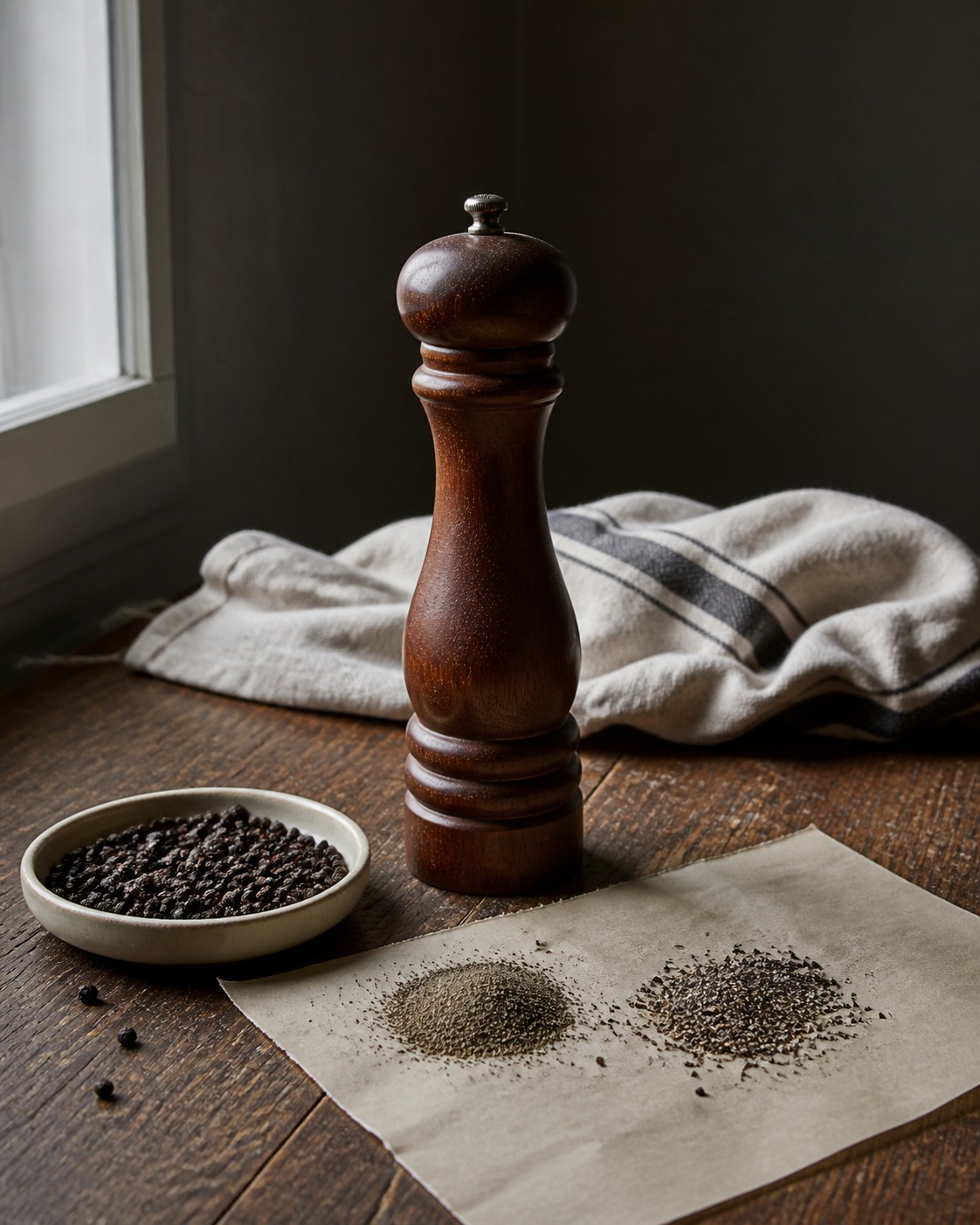
A quarter teaspoon of pepper is doing real work in this dish .
Why we loved it: The red pepper flakes bring the heat here, and a little fresh-cracked black pepper brings the aroma. It's the pepper that makes a pinch taste like it was just ground.
Worth knowing: It's a single-origin spice in a generous bag — costs more than the supermarket tin, but it stays whole and aromatic for months.
See the exact item on Amazon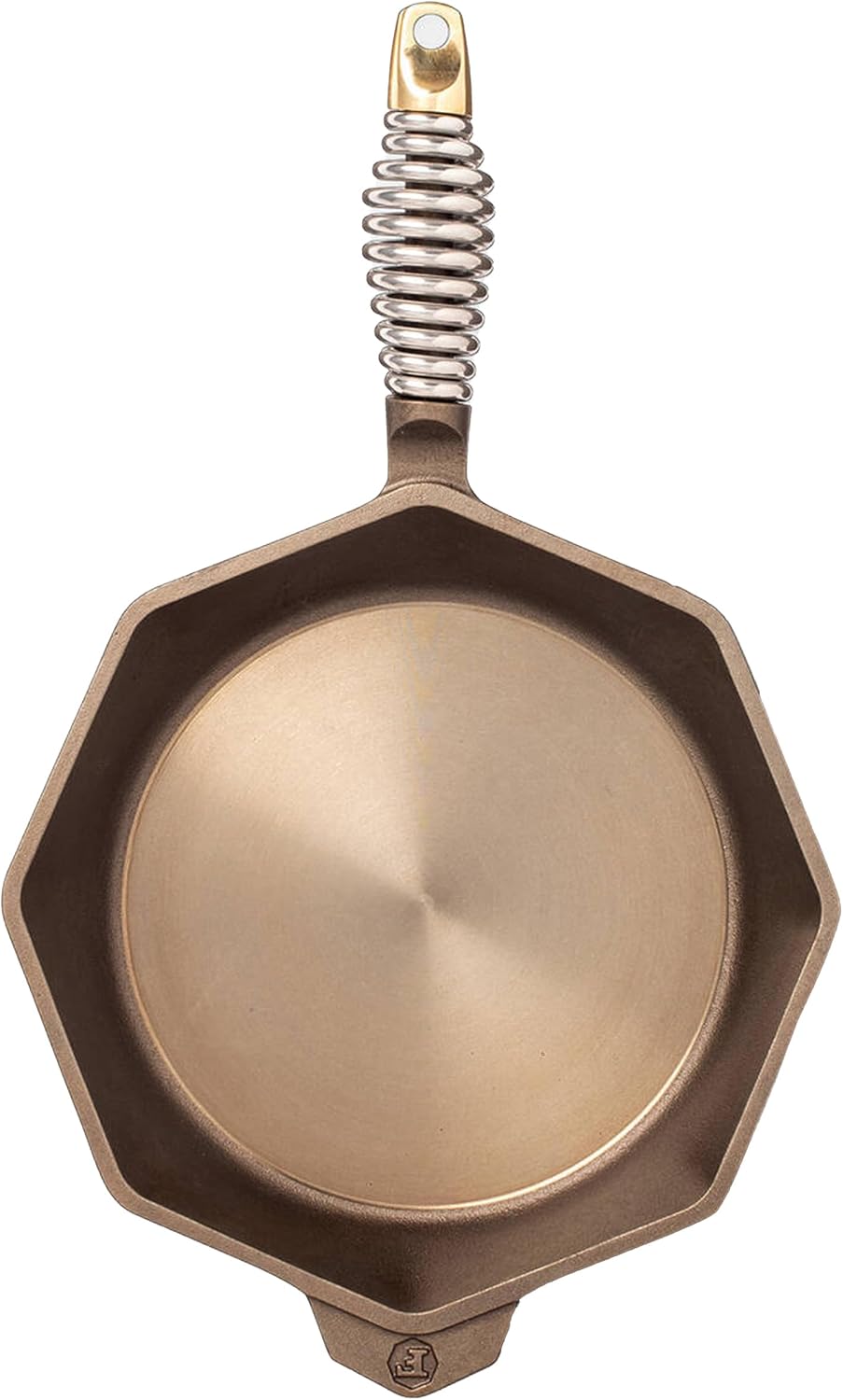
FINEX 10-Inch Cast Iron Skillet Without Lid
The broad cast-iron skillet is the tested stand-in when a wok is unavailable, giving the peas room to blister over high heat.
Why we loved it: We love the smooth cast-iron cooking surface: food releases cleanly, heat stays even, and regular seasoning deepens into a durable patina. That steady heat suits crisp searing, browned butter, braises, and hot-oven work.
Worth knowing: It costs more than a standard cast iron pan. Worth it if you cook most days, not if the skillet lives in a cabinet.
See the exact item on Amazon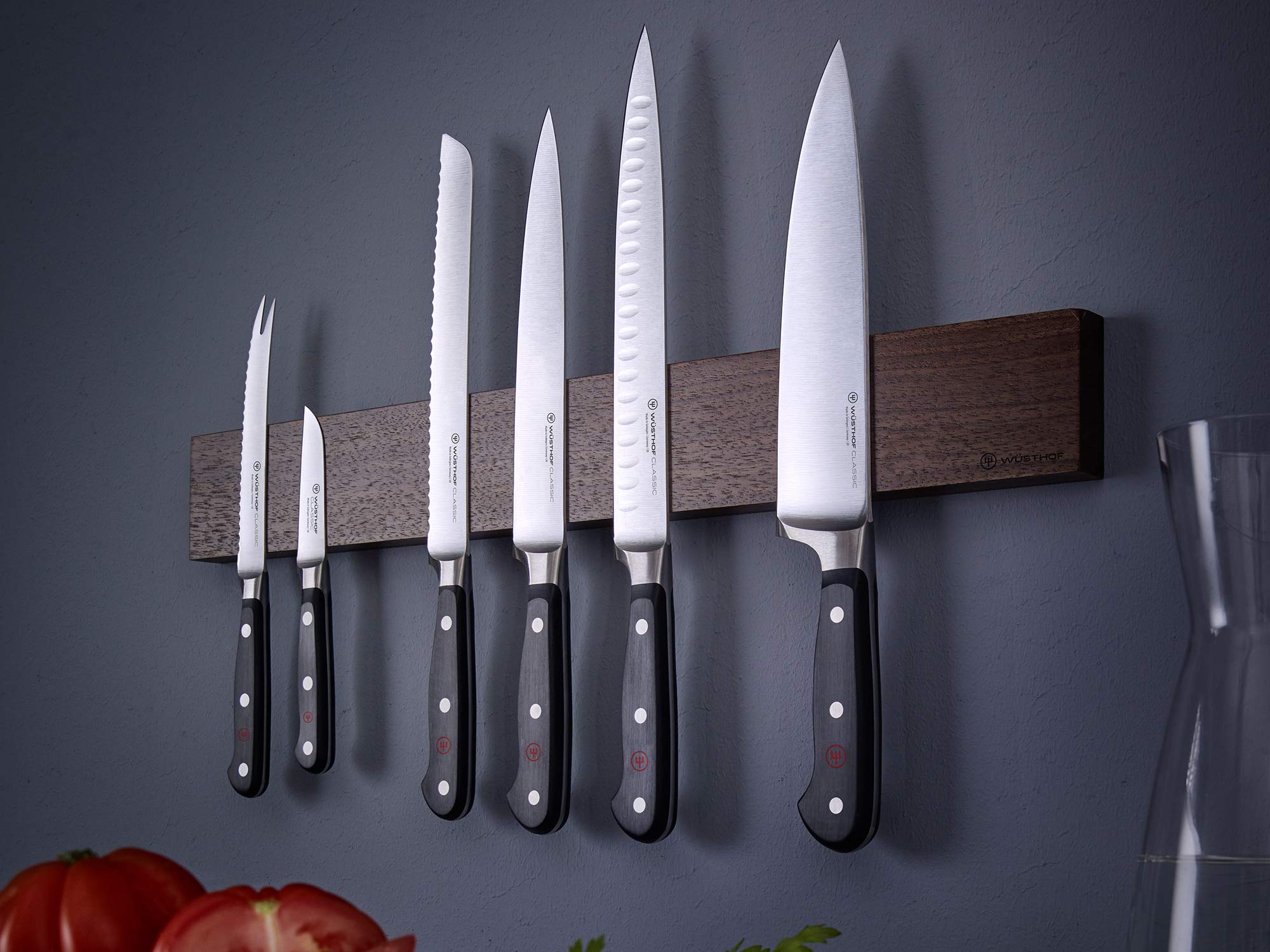
WÜSTHOF Classic 3-Piece Prep Knife Set
The three blades cover paring, utility, and chef's work without a second block.
Why we loved it: We love the clean division of labor: the chef's knife handles the main cuts, the paring knife takes detail, and the utility knife bridges the middle. Three blades give a compact kitchen a proper prep rhythm.
Worth knowing: It costs more than a set knife and every blade needs hand washing and regular honing.
See the exact item on Amazon
ZWILLING Professional 12-Inch Oval Sharpening Steel
A few strokes before prep keeps the edge aligned without a sharpening stone.
Why we loved it: We love the simple maintenance rhythm: a few strokes before each session, with an oval rod that gives more surface contact and needs fewer strokes than a round steel. It's the small tool that helps an expensive edge stay ready.
Worth knowing: A steel realigns an edge — it doesn't sharpen a dull blade. You'll still need a real sharpening once or twice a year.
See the exact item on Amazon