This week's work ·
The ten-inch cast-iron skillet that replaced the whole pan collection
One American-made pan with a polished cooking surface, for hard sears, oven finishes, and a cornbread that leaves the skillet clean.
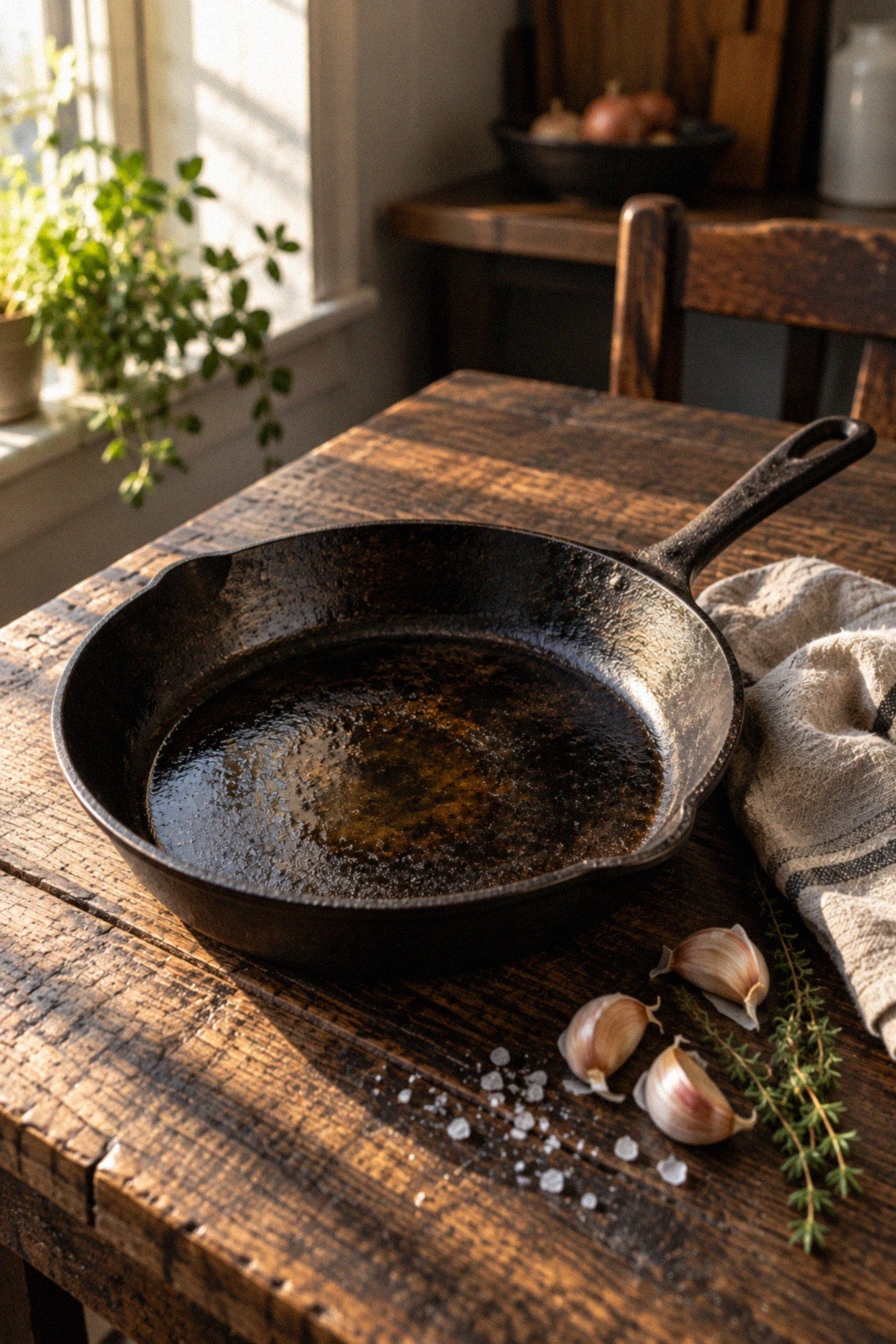
Who it’s for
A skillet earns its cabinet space by doing several jobs without complaint: a hard sear on a weeknight steak, a pan of cornbread that releases in one piece, eggs that set instead of lacquering themselves to the bottom. Cast iron is the oldest answer to that brief, and it is still the one that survives a decade of weeknights.
Specifications
A ten-inch American-made cast-iron skillet with a polished, pre-seasoned cooking surface - the pan for a hard weeknight sear and a skillet cornbread that releases in one piece.
Why we liked it
We love a pan that sears hard, moves from stovetop to oven without a second vessel, and gets better with use instead of wearing out.
The tradeoffs
It is heavy, takes minutes to heat and to cool, and needs drying on the burner rather than in a rack. Long acidic simmers belong in an enameled pan.
Where it works well
The ten-inch FINEX is a good version of the idea. It is cast iron made in the United States, with a polished cooking surface that arrives pre-seasoned, so the first sear does not have to fight a rough, grabby pan. The size is the practical middle: wide enough for two cutlets or a whole spatchcocked chicken, small enough to heat through on a home burner.
Alternatives
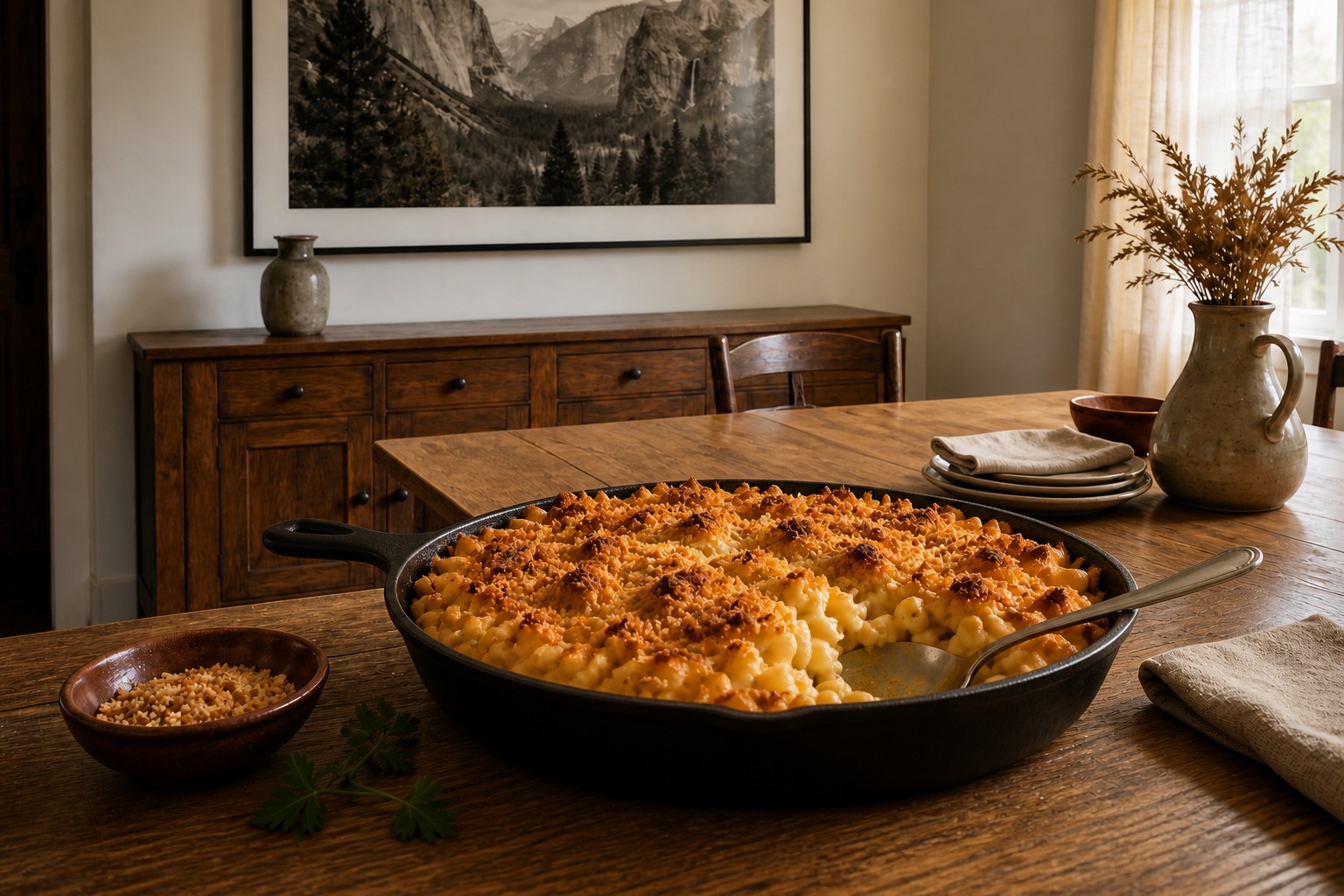
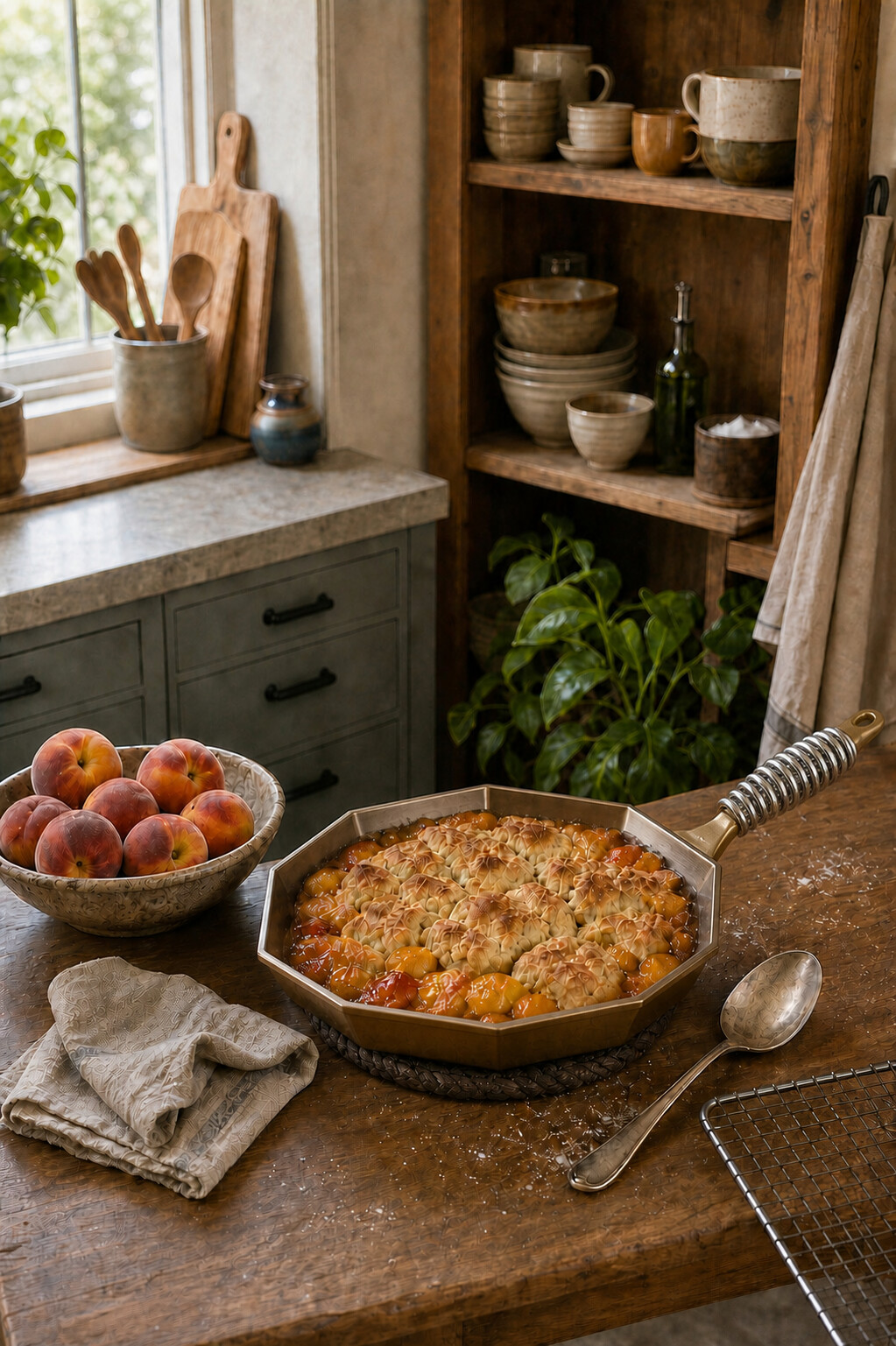
The material is the method. Cast iron holds heat and gives it back slowly, which is why a steak keeps its crust instead of steaming in its own juices, and why a skillet cornbread baked in the same pan comes out with a crisp edge. The pan goes from stovetop to oven without a second vessel, which is most of the reason it stays out.
Verdict
The honest tradeoffs are weight and maintenance. A ten-inch cast-iron skillet is heavy when it is full, it takes several minutes to come up to heat and several minutes to cool down, and it wants drying on the stove rather than in a rack. Long, acidic simmers strip seasoning and should stay in an enameled pan instead.
Field note 5
Care is short once it becomes a habit: rinse with hot water, scrub with coarse salt when something sticks, dry it on a low burner, and wipe a thin film of oil across the cooking surface while it is still warm. Seasoning builds from repetition, not from a single heroic afternoon.
Field note 6
That is the whole argument for keeping one good skillet rather than a stack of thin pans. It does not need a cabinet to itself; it needs to stay hot, stay dry, and stay on the stove where it is used.
03 · Linked objects
The things worth mentioning.
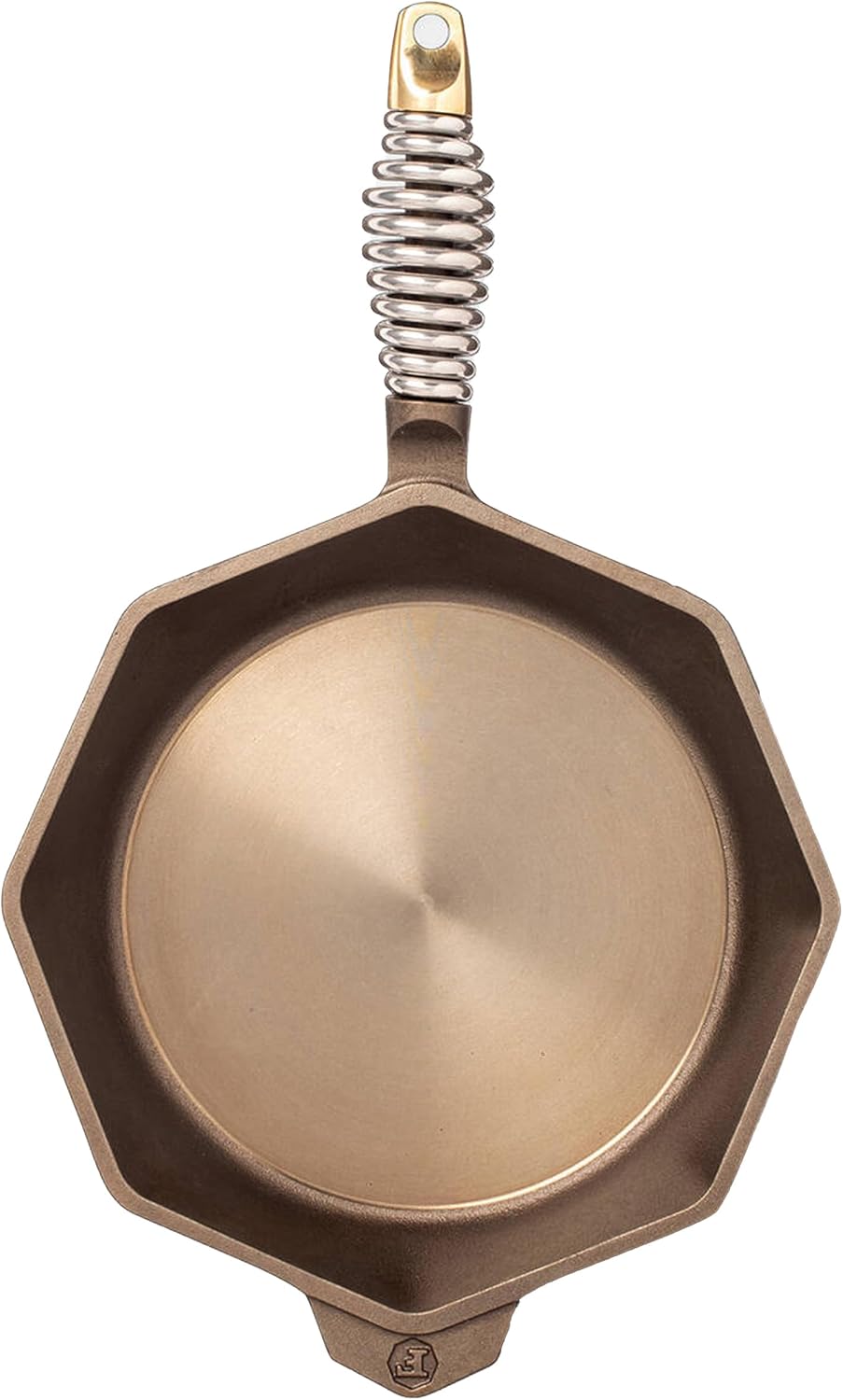
FINEX 10-Inch Cast Iron Skillet Without Lid
A ten-inch American-made cast-iron skillet with a polished, pre-seasoned cooking surface - the pan for a hard weeknight sear and a skillet cornbread that releases in one piece.
We love a pan that sears hard, moves from stovetop to oven without a second vessel, and gets better with use instead of wearing out.
Worth knowing: It is heavy, takes minutes to heat and to cool, and needs drying on the burner rather than in a rack. Long acidic simmers belong in an enameled pan.
See the exact item on Amazon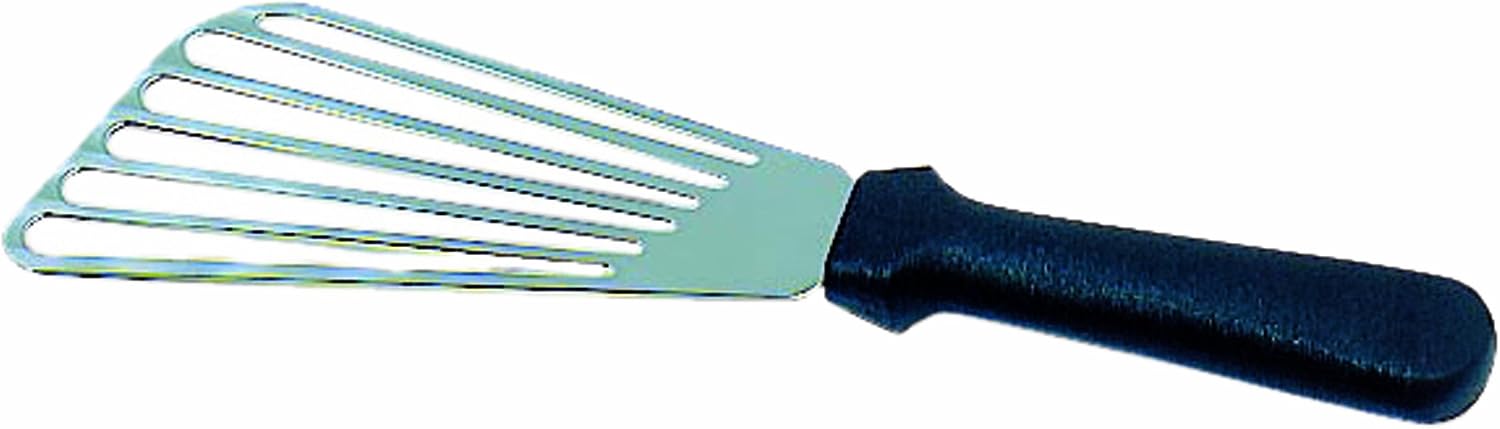
Matfer Bourgeat Stainless Steel Fish Spatula/Turner
A thin, flexible stainless turner that slides under a seared fillet or a fried egg without bruising it, with an offset handle that keeps knuckles off the rim of a hot skillet.
The flexible blade lifts fragile food in one motion, and the offset handle keeps a hand clear of the pan - the tool that makes cast-iron cooking less clumsy.
Worth knowing: Hand-wash only, and the thin blade needs a careful hand under heavier food.
See the exact item on Amazon